

























































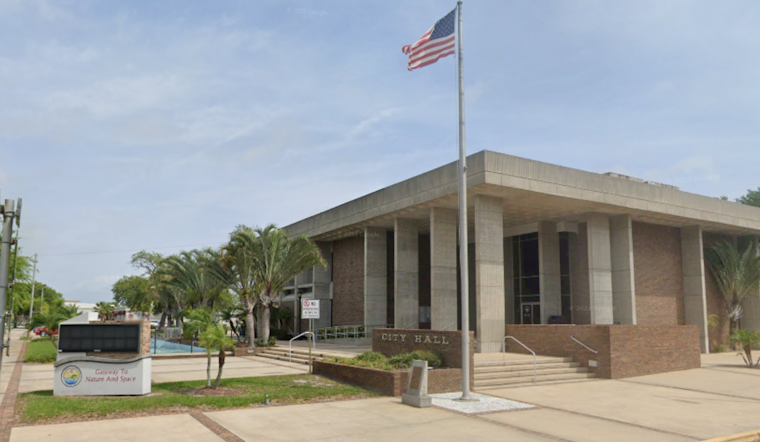
Titusville is inching into one of the most controversial water debates around: whether treated wastewater should ever end up back in residents' drinking glasses, the concept many critics shorthand as "toilet-to-tap." At a Tuesday City Hall meeting, Public Works officials walked council members through a short list of drought-resistant options, including reclaimed-water reuse, brackish groundwater, and stormwater capture. By the end of the night, the council had agreed to keep studying the ideas while staff sharpened cost estimates and treatment details.
Public Works lays out the choices
Public Works staff presented the options as part of the city’s Annual Sustainability Action Plan and asked the council to fund technical work on several alternatives. According to the City of Titusville NewsFlash, the proposal includes a feasibility study for a brackish groundwater source and a fresh look at major stormwater projects that could each carry six-figure price tags. City materials explain that the goal is to pin down drought-resilient supplies and spell out the engineering steps needed to protect drinking-water quality.
Officials weigh costs and optics
Public Works Director Sandra Reller told the council that some of the possible paths are highly drought-resistant and that potable reuse could be, in her words, "probably the cheapest and most environmentally friendly" of the bunch. She also acknowledged that public skepticism makes any quick move toward a reuse program a hard sell. Councilmember Dr. Sarah Stoeckel pressed staff on how Titusville would prove that any treated water meets strict safety standards before a pilot project ever gets off the ground. Local coverage of the meeting captured those back-and-forths and the council’s decision to keep all options on the table for further study, according to ClickOrlando.
What brackish and potable reuse would require
Brackish water is groundwater that is saltier than freshwater but not as salty as seawater. It typically needs desalination and other advanced treatment that can also strip out contaminants such as PFAS. Florida’s framework for potable reuse calls for multiple treatment barriers, rigorous advanced wastewater treatment, pilot testing, and continuous monitoring before any reclaimed water is cleared for use as a drinking source. Federal rules are part of the backdrop, too, since the EPA has finalized tighter drinking-water standards for PFAS and created funding programs to help utilities pay for treatment upgrades.
Council votes and price tags
The council voted to move the study work forward. Staff will begin a feasibility study on a brackish groundwater source and proceed with a stormwater re-evaluation that the presentation pegged at more than $740,000. The formal engineering study is expected to dig into where a project could be sited, which treatment trains would be needed, and what the total cost might be, all before any pilot project or construction is authorized. Local reporting says both measures cleared the council on Tuesday, a sign that elected officials want detailed answers before they commit to a major infrastructure buildout, per ClickOrlando.
Why this matters across Florida
State law is helping drive the entire discussion. Florida has ordered utilities to eliminate non-beneficial surface-water discharges by Jan. 1, 2032, which is pushing cities to consider reuse and other strategies that keep water in circulation instead of sending it to rivers or lagoons. That deadline and the price of compliance have already fueled heated debates in nearby communities, from Daytona Beach to Edgewater, over whether potable reuse should be allowed at all. The stakes are not only technical but political, since ruling out reuse can close off one way to comply with state rules while potentially raising costs for ratepayers, as outlined by the Florida Senate and reflected in recent local coverage.
Next steps for Titusville
For now, Titusville’s next move is relatively modest. Staff will lock in task-order details, define the scope of the engineering contract for the brackish study, and return to the council with proposed budgets and timelines. The Titusville Environmental Commission and city staff will review the technical findings, and council members say they expect to see sampling plans, clear treatment barriers, and detailed cost breakdowns before they sign off on any pilot or reuse program. City officials emphasize that the current focus is on disciplined engineering work and monitoring plans, not on rushing a full-scale potable reuse project onto residents’ taps.





