

























































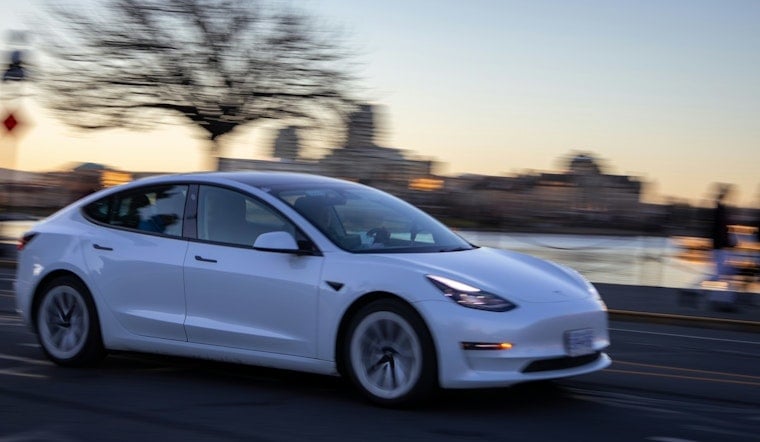
Early Friday on I-75, troopers say a Tesla with Autopilot engaged was discovered stopped in the middle lane while its driver slept behind the wheel. The car reportedly came to a halt near mile marker 217 after its driver monitoring alerts failed to wake the 37-year-old motorist, who later tested at nearly twice Florida's legal blood alcohol limit, according to investigators.
The stop on I‑75 and the arrest
Troopers identified the driver as 37-year-old Kimberly Brown and say they found her around 2 a.m. stopped in the middle lane before taking her into custody on a DUI charge, according to WWSB. "This was extremely dangerous," State Trooper Kenn Watson told the station, adding that investigators believe Brown "had made the assumption that the Tesla would get her home safely." The same report was republished as video by FOX5 Vegas.
How Autopilot Is Supposed To Work
Tesla’s support pages stress that Autopilot and Traffic-Aware Cruise Control are driver assistance features, not replacements for a human at the wheel, and that "it is your responsibility to stay alert, drive safely and be in control of your vehicle at all times," according to Tesla. Independent reviewers note that driver monitoring systems are built to prod inattentive drivers with escalating warnings and to shut off assisted driving features if those alerts are ignored.
Regulators Have Flagged Risks
The incident lands against a backdrop of federal scrutiny of Tesla’s driver monitoring, with safety officials pressing the company to upgrade how Autopilot detects inattentive drivers, as reported by The Associated Press. Those investigations and resulting recalls highlight that the technology is not foolproof and can be misused when drivers over-trust the system.
Legal Consequences
Troopers say Brown was arrested on the DUI allegation after her BAC registered at nearly twice the legal limit, and the investigation remains active, per the station. Under Florida law (Section 316.193), a DUI conviction can bring fines, license suspensions and jail time, with a first offense carrying fines in the $500 to $1,000 range and up to six months behind bars, according to the Florida Legislature.
Troopers said the case is a blunt reminder that driver assist technology cannot sober up a driver or make judgment calls. It underscores "importance of always being alert before getting behind the wheel," the trooper told reporters, according to WWSB.





