

























































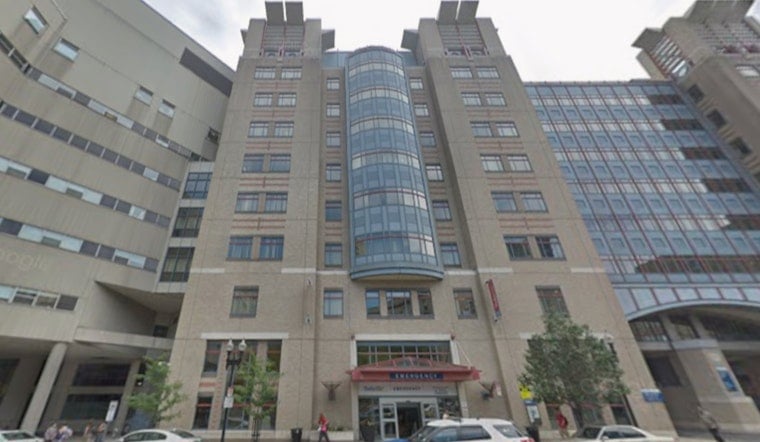
Operating-room nurses at Tufts Medical Center say the situation behind those swinging doors has gone from stressful to flat-out unsafe. More than 70 OR nurses recently handed leadership a blunt letter saying they have no confidence in the current perioperative management and warning that deep staffing shortages are putting both patients and staff in jeopardy. The letter, nurses say, followed months of talks with hospital leaders that went nowhere and accuses management of leaning on heavy mandatory on-call hours and overtime instead of hiring enough permanent staff.
According to The Boston Globe, the no-confidence letter was addressed to Anna DaSilva, executive director of perioperative services, and signed by 74 of the 81 nurses who staff Tufts’ operating rooms. The Globe reports that the signers called for immediate changes to protect patients, front-line staff and the institution as a whole.
The Massachusetts Nurses Association, which represents the OR nurses, told reporters it has filed formal complaints with both state and federal regulators and is pressing Tufts to temporarily bring in experienced travel nurses until vacant positions are filled. At the start of April, more than 150 registered-nurse shifts were unfilled in the operating rooms, adding up to roughly 1,206 uncovered hours, the union reported to Boston.com.
Tufts Medical Center is pushing back. In a written statement, the hospital said that "patient safety, quality and caregiver wellbeing" remain top priorities and that the system "remains confident in our staffing plan and nursing leadership," a spokesperson told GBH News. The statement added that a high volume of surgeries shows strong community trust even as the hospital continues to recruit additional staff.
Operating Room Capacity And Overtime Strain
Nurses say the numbers inside the operating suite tell the real story. Tufts has a 21-room OR complex, but the current schedule reliably staffs only about 10 of those rooms, according to union leaders. The remaining 11 rooms, they say, are covered largely by on-call personnel, leaving the system stretched dangerously thin when cases spike. The union told the American College of Surgeons that this setup has pushed staff into "excessive amounts of overtime," Boston.com reported.
Nurses describe weeks that would make most people reach for a second cup of coffee before noon. One nurse logged 38 hours of overtime in each of two consecutive weeks, according to staff accounts. Another worked a full regular schedule and then stayed on call for dozens of additional hours. "We need help right now," said Mary Havlicek Cornacchia, co-chair of the unit’s bargaining committee, who told The Boston Globe that many colleagues are burned out or out on leave with workplace injuries.
What Regulators Can Do
The union says it has taken the fight beyond the hospital’s walls, referring its concerns to the Massachusetts Department of Public Health, the American College of Surgeons, the Joint Commission, and the Centers for Medicare & Medicaid Services, according to GBH News. The state Department of Public Health spells out its complaint intake and investigation process online and can open licensure or safety investigations (Mass. DPH), while the Joint Commission offers an online portal for submitting patient-safety concerns for review (Joint Commission).
Union leaders say the no-confidence letter is intended to force concrete, near-term fixes, not just more meetings. Nurses are now waiting to see what actions come from both Tufts leadership and outside regulators. For its part, the hospital says it remains committed to working collaboratively with nursing staff while continuing recruitment efforts to fill vacancies and keep surgical services running.




