

























































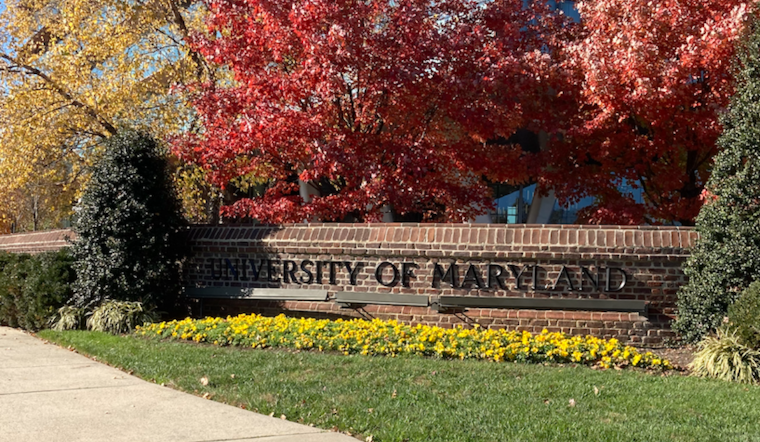
After 15 years of organizing, graduate students at the University of Maryland are closer than ever to winning the legal right to unionize, but many say the victory feels like it is being sliced down just as it comes into view. Lawmakers in Annapolis have moved competing bills through each chamber, and the details now on the table will determine who can actually bargain and when it will start.
As reported by The Banner, both chambers advanced versions of the legislation this session, but graduate organizers say recent amendments cut away at the broad protections they were aiming for. The House backed a wider bill, while the Senate approved changes that supporters say narrow which workers are covered and push back the timeline for any union rights to kick in.
What the Senate changed
The Senate's amended bill tightens the scope so collective-bargaining rights would apply only to graduate assistants at the University of Maryland, College Park, or the University of Maryland, Baltimore County, revises the eligibility language, and shifts the effective date two years later. Those changes appear in the Senate's third-reader text and committee report, and the chamber adopted the amendments and passed the bill in March. The amended language and timing details are available in the Senate file at the Maryland General Assembly.
How students reacted
Organizers, who say they have been operating a kind of shadow union since 2023, blasted the Senate revisions as slicing many graduate workers out of coverage and pushing meaningful bargaining into the future at a moment they describe as urgent. "It's hard to celebrate it as a win," graduate student Ariel Balaban told The Banner, arguing that the amendments would leave a large share of campus employees on the sidelines.
Why it matters
Graduate students say a recognized union would finally give them a formal seat at the table to negotiate stipends, workload limits, parental leave, and grievance procedures at a Big Ten research university where many stipends do not cover local living costs. Organizers and national reporting note that other public research campuses already allow graduate workers to bargain and that contract wins elsewhere have forced universities to rethink budgets and program sizes. For broader context on the Maryland push and how similar campaigns have unfolded around the country, see BestColleges.
What's next in Annapolis
Procedurally, the Senate's amended text now heads back to the House, where lawmakers will decide whether to accept the changes, call for a conference committee, or hold out for the broader approach they backed earlier. The House had previously passed a wider bill, and both chambers' files and vote records are listed in the House bill documents. If legislators reconcile the differences and the governor signs the measure, the Senate's revised schedule would delay any new bargaining rights until 2028, as reflected in the House and Senate files at the Maryland General Assembly.





