

























































Clark County District Attorney Steve Wolfson is moving to take Nevada’s death penalty off the shelf and into the courtroom, announcing that his office will ask judges to sign execution warrants for three longtime death-row inmates: Zane Floyd, Donald Sherman and Sterling Atkins. It is a rare and deeply divisive step in a state that has not carried out an execution in two decades. Wolfson says the men have exhausted their post-conviction appeals, and that pursuing warrants is the next legal step toward enforcing sentences juries handed down years ago. The move instantly reignited familiar questions about logistics, looming legal battles and whether Nevada’s death penalty system is built more for symbolism than actual executions.
Wolfson moves to seek execution warrants
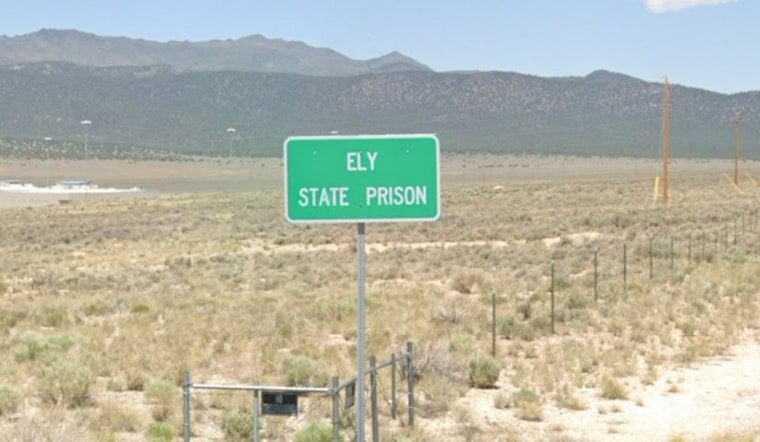
According to the Las Vegas Review-Journal, Wolfson said his office will ask district court judges to approve warrants of execution for the three inmates, arguing that their appeals have run their course. Prosecutors say Floyd killed four people at an Albertsons supermarket in 1999, and the long trail of court rulings in his case is part of the public record. Wolfson told the paper he has already discussed the cases with Department of Corrections director James Dzurenda, and prison officials have pointed to the existing execution chamber at Ely State Prison as the location where lethal injections would occur if the process gets that far.
Wolfson: 'I'm not naive to the process'
"As long as the law provides for the option, I think it's my responsibility in a certain number of very, very special cases to give the jury that option," Wolfson told the Review-Journal. He also acknowledged that signing a warrant is hardly the end of the story. Defense attorneys say the announcement is more likely the starting gun for another round of expensive, technical litigation over how Nevada gets execution drugs, what protocols it uses and who is legally eligible to be put to death. They predict immediate challenges in both state and federal courts. Advocates for victims, on the other hand, have welcomed what they see as a long-delayed push toward finality, while opponents dismiss the move as costly political theater that may never culminate in an actual execution.
County records show frequent pursuit, few results
Public court and prosecutor records show that over the last 20 years, Clark County prosecutors have filed notices to seek capital punishment against more than 220 defendants. Fewer than one in ten of those cases resulted in a death sentence. Roughly 20 defendants were ultimately sentenced to die in that period, and only a small number remain on Nevada's roster of condemned prisoners; others have died or seen their death sentences thrown out. That long-running pattern, aggressive pursuit of capital charges paired with a small number of final death verdicts, sits at the center of criticism from defense lawyers and criminal justice reform advocates.
Why an execution date is distant
Nevada has not executed anyone since April 26, 2006, when Daryl Mack was put to death. The nearly two-decade gap reflects a tangle of legal obstacles and persistent trouble obtaining lethal injection drugs. Nationwide, public support for the death penalty has dropped sharply since the 1990s. The Death Penalty Information Center notes that support has fallen from its 1990s peak and has hovered in the low 50s in recent polling. Nevada’s Department of Corrections still maintains an execution chamber at Ely State Prison, but turning that idle room into an active site of execution would require resolving a familiar set of headaches over litigation, logistics and drug sourcing, issues that corrections officials and local reporting have documented for years.
Legal and fiscal questions ahead
Defense attorneys say they are preparing immediate appeals and renewed eligibility challenges, including assertions that Atkins may be legally ineligible for execution because of intellectual-disability claims. Legal observers expect a fresh round of filings aimed at delaying or blocking any warrant from ever being carried out. Critics of the county’s capital strategy point to the long, costly court battles that shadow death penalty prosecutions and argue that those resources could be better spent on services for victims and on crime prevention. Wolfson has said he fully expects additional litigation and maintains that his office is ready for extended courtroom fights if it continues down this path.
What comes next
Wolfson’s office says it plans to file formal requests for execution warrants in the coming weeks. If a judge signs off, state law triggers a series of deadlines, and the Department of Corrections would then be tasked with finalizing execution protocols and trying to obtain the necessary drugs before an execution week can be scheduled. Expect a quick burst of legal action, potential review by the state supreme court and renewed sparring in Carson City over whether Nevada should keep a death penalty system that has, for years, brought far more capital trials than actual executions.


