

























































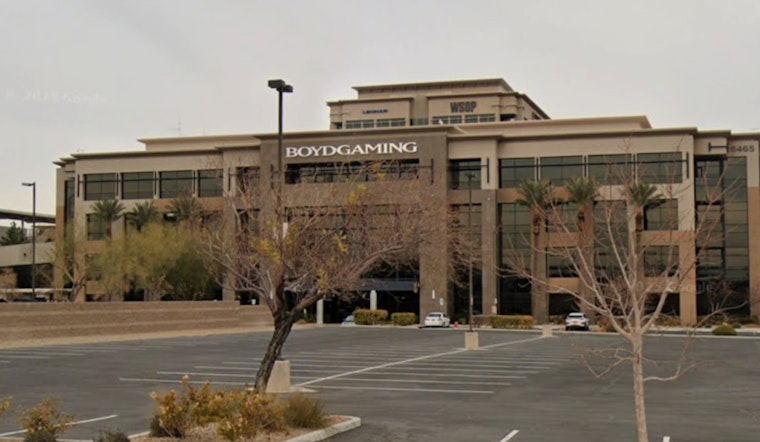
Two women have filed a federal lawsuit in Las Vegas that takes direct aim at some of the valley’s biggest casino operators, accusing them of looking the other way while a known predator worked the properties for years. The suit names Boyd Gaming and Station Casinos and centers on alleged sex trafficking by Nathan Chasing Horse at the Cannery in North Las Vegas and at Santa Fe Station. The complaint seeks damages under the Trafficking Victims Protection Reauthorization Act along with state tort claims and urges a federal court to hold the companies accountable for what the plaintiffs say were repeated, glaring warning signs.
In a press release from the plaintiffs’ attorneys, Andreozzi + Foote, the firm says the lawsuit alleges Chasing Horse controlled the women through coercion and isolation while hotel employees continued to rent him rooms despite visible signs of abuse. According to the release, staff are accused of acting as “lookouts and informants” for Chasing Horse, allowing rooms to see constant foot traffic and providing complimentary gifts to keep him on the property. The plaintiffs assert TVPRA liability as well as negligence, gross negligence and recklessness, and say the conduct stretched roughly from 2014 through 2022.
As reported by AP News, Chasing Horse was convicted in January and on April 27, 2026, he received a prison term described in coverage as decades to life. Victim impact statements at sentencing recounted how he leveraged his reputation as a spiritual leader to manipulate and abuse women and girls, according to that reporting. Prosecutors and court records outlined what they called a years-long pattern of abuse that crossed multiple jurisdictions.
First Assistant U.S. Attorney Sigal Chattah told 8 News Now that federal prosecutors have faced cooperation problems with casino operators during trafficking investigations and said Nevada “continues to lead in human trafficking year after year” because the issue is not sufficiently incentivized by major stakeholders, according to the station’s report. Those remarks highlight the broader enforcement backdrop that plaintiffs’ lawyers say makes civil cases like this one a key tool once criminal prosecutions are over.
Neither company offered detailed public comment on the claims. As noted by FOX5, Boyd Gaming told reporters it does not comment on pending litigation, and Station Casinos had not immediately responded to media inquiries at the time of that local coverage.
What plaintiffs must prove
The case turns on a “beneficiary” theory under the TVPRA. The plaintiffs will have to show that the casinos knowingly benefited from a trafficking venture or that the businesses knew or should have known their properties were being used for trafficking. Nevada federal courts have already become a testing ground for these types of suits, and judges have closely examined whether complaints link specific hotel actions to the trafficker’s operation. Related filings on Justia provide examples of how courts have applied those legal thresholds.
Legal hurdles ahead
Defense attorneys in recent Nevada trafficking cases have pushed for early dismissals using arguments that range from lack of specific knowledge to statute-of-limitations problems, according to legal observers. One federal order earlier this year stressed that generalized “red flag” accusations often are not enough without some indication that the business actually participated in the trafficker’s venture, a theme that is likely to drive motions and discovery here. Practitioners’ commentary notes that plaintiffs will need strong documentary support, such as reservation records, comp logs and security reports, to make the beneficiary theory hold up in court.
The complaint, filed in the U.S. District Court for the District of Nevada as Case No. 2:26-cv-01310, did not have a hearing date set at the time of the plaintiffs’ release. If the lawsuit survives early challenges, the women say they will seek records they argue will show the casinos profited from Chasing Horse’s stays. The casino operators are expected to respond that the alleged facts do not satisfy the TVPRA’s participation standard. The case could run for months or years and will probe how broadly Nevada courts are willing to apply beneficiary liability to hospitality businesses.
Help for survivors
If you or someone you know may be a victim of trafficking, the National Human Trafficking Hotline is available 24/7 at 1-888-373-7888 or via chat at HumanTraffickingHotline.org. In an emergency, call 911 and consider contacting local victim services and tribal support organizations.
This lawsuit trains a spotlight on corporate practices at a time when prosecutors, survivors and judges are reexamining how far civil liability should reach when trafficking happens on business property. Courts in Nevada and beyond will be watching for clues about how hotel and casino operators are expected to train staff, monitor guest activity and cooperate with law enforcement to stop exploitation before it takes root.


