

























































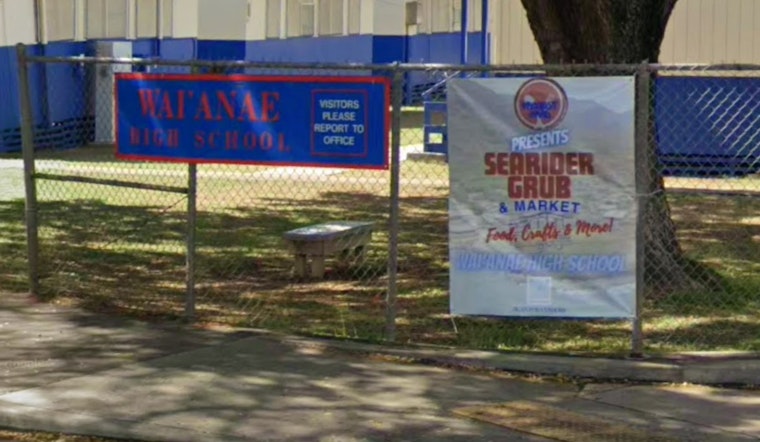
On Thursday, Gov. Josh Green walked into a very different kind of classroom at Waiʻanae High School on Oʻahu, checking out the state’s first public high school health learning lab. The 3,195-square-foot training space, built inside two converted classrooms, is set up to look and feel like a small clinic and hospital floor, complete with a simulated hospital bay, long-term care area, phlebotomy station and exam room so students can earn industry certifications and practice real-world clinical and administrative skills.
The opening, organized by the Healthcare Association of Hawaiʻi, brought Green face to face with students and staff. “As a physician and governor, I know firsthand how valuable it is to invest in our local healthcare workforce,” he said in a statement reported by Maui Now. State officials used the visit as a chance to spotlight a growing push to build direct career pathways from public schools into health care jobs.
What the lab looks like
The lab’s classroom-meets-clinic layout is designed to feel like a compact hospital wing, where students can practice charting, taking vital signs, collecting specimens and handling patient intake with supervision instead of guesswork. Organizers say the floor plan mirrors the workflow of actual facilities so graduates walk into their first jobs with fewer surprises. Hawaii News Now reported that construction began in July 2025 and was slated to wrap up early this year.
Training tracks and certifications
Students in the Healthcare Association of Hawaiʻi’s Patient Service Representative program will rotate through training for four roles: patient service representatives, certified nurse aides, medical assistants and phlebotomists. That range of credentials is intended to let many students step straight into paying healthcare jobs right after graduation. “The lab changed how I see my future in the medical field and it motivates me to work harder,” Waiʻanae High junior Jyzamee Sablan said in a release covered by Kauai Now.
Why it matters for Hawaiʻi’s workforce
The lab is also aimed squarely at Hawaiʻi’s chronic staffing shortages. The Healthcare Association of Hawaiʻi’s 2024 workforce report counted roughly 4,700 open healthcare positions statewide, including more than 1,700 entry-level jobs that could be filled by new graduates. The Healthcare Association of Hawaiʻi describes these labs as one strategy, alongside earn-and-learn programs and internships, to build a homegrown pipeline, and coverage of the broader effort notes that partners such as Kaiser Permanente have supported internships and mentorships to give students early exposure to health careers. Hawaii Business has documented similar private-sector investments in strengthening the healthcare workforce.
Public-private funding and scale
The Waiʻanae lab came together through a mix of public and private funding. The Hawaiʻi Legislature partnered with the Department of Education and the Kōkua Hawaiʻi Foundation (Hawaiʻi 3Rs), along with contributions from First Hawaiian Bank Foundation, G70, Hawaiʻi Medical Service Association, the Harold K.L. Castle Foundation, Kaiser Permanente, The Henry and Jeanette Weinberg Foundation, University Health Alliance and UnitedHealthcare Community Plan of Hawaiʻi. Organizers say the project shows how coordinated public-private support can retrofit existing school space for career training and expand access in communities that have historically had fewer resources. Maui Now detailed the funding partners and legislative backing behind the effort.
Next steps and expansion
Waiʻanae is the first campus in the broader ʻAulama I Ke Ola initiative, a multiyear plan to build a network of health learning labs in Hawaiʻi’s public high schools with a focus on underrepresented communities. “We’re building a local, sustainable pipeline of healthcare professionals for decades to come,” Healthcare Association of Hawaiʻi President Hilton Raethel said in comments reported by Kauai Now. Officials note that Waiʻanae is one of 18 public high schools currently participating in Healthcare Association of Hawaiʻi workforce programs.
For students like Sablan, the lab turns a distant dream into something that looks more like a shift schedule, giving them a direct line into local careers that can begin as soon as they leave high school. Organizers say they plan to track credentials earned and job placements as they move to copy this model at other campuses across the state.





