

























































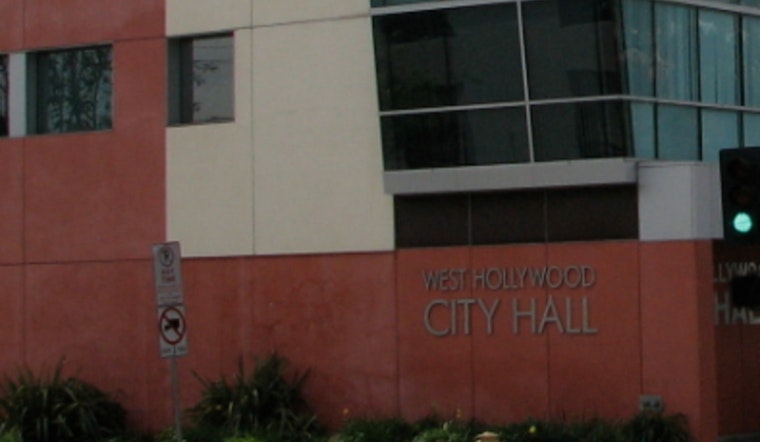
West Hollywood’s City Council is set to take up a proposal Monday night that would force developers behind major projects to open their books, at least a little, before City Hall cuts any big deals.
The idea, from Councilmember Lauren Meister, is simple on paper: if you want a Development Agreement or a Specific Plan, you would first have to spell out who your development entity is, how it is structured, who owns at least 25 percent of it, what you have built before, and whether you actually have the money to finish. That packet of information would be folded into the staff report and the initial application, Meister told WEHOonline.
Meister frames the move as a basic fiduciary duty, not political payback. She stresses the proposal is “not personal” and does not dig into anyone’s private bank records. It is about putting entity-level details on the record, she says, “to protect the City” and give both councilmembers and residents a clearer view of who is behind the glossy renderings.
If the Council signs off, the rule would not kick in overnight. The disclosure requirement would apply only to applications submitted on or after January 1, 2027, and city staff would be tasked with creating standardized forms to keep the process uniform.
Stalled Projects Provide The Backdrop
Supporters are pointing to West Hollywood’s growing collection of empty lots and long-promised projects that never quite got out of the ground.
One of the highest profile examples is Faring Capital’s Robertson Lane hotel, which went through years of approvals before its entitlements expired in June 2025. The result: a cleared site that has stayed quiet, as reported by WeHo Times.
Another is the French Market project at 7985 Santa Monica Boulevard. The development won city approvals in 2019 and even had a ceremonial groundbreaking in 2022. Then it stalled, failing to advance to active construction, according to coverage in the Beverly Press.
For residents who walk past those sites every day, the question practically asks itself: who exactly is steering these multimillion-dollar efforts, and what happens if they cannot or will not finish?
What Opponents Say
Not everyone in the development world is thrilled about the prospect of more paperwork at City Hall. Some developers argue that long and unpredictable approval timelines, shifting conditions on projects, and rising construction costs are what really knock projects off course, not a lack of upfront disclosure.
They warn that a new layer of documentation could slow things even further. The proposal itself does not change what a project can build, how tall it can go, or what labor rules it must follow. Instead, it simply puts more information about the players and their track records in front of the Council before a vote, a distinction Meister and others highlighted in interviews with WEHOonline.
What’s Next
The City Council meets on Monday at 6 p.m., with agendas and staff reports posted on the city’s official meeting pages for anyone who wants to read the fine print.
If the measure passes, staff would begin folding the new disclosures into future staff reports, and the requirement would apply to qualifying applications filed on or after January 1, 2027. The goal, backers say, is straightforward: by the time the Council is asked to greenlight a big project, everyone in the room would know a lot more about the people and companies asking for the city’s trust.





