

























































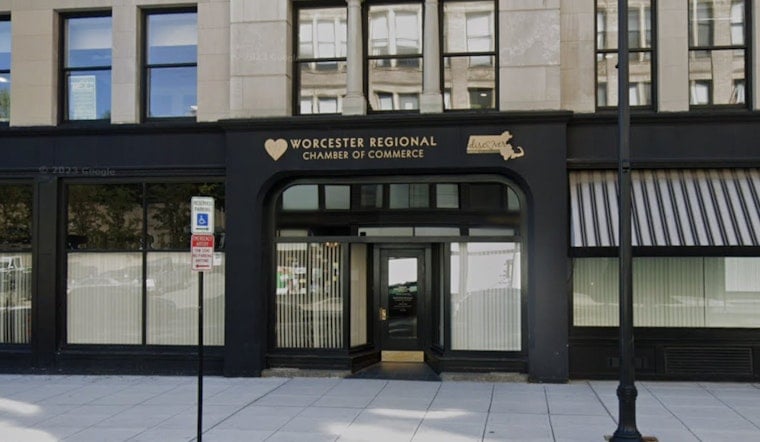
Worcester’s political and real estate crowd spent lunch on Thursday warning that a proposed statewide rent-control ballot question could pack a serious punch to local budgets. At a forum hosted by the Worcester Regional Chamber, panelists argued that the measure’s tight cap on annual rent hikes - the lesser of the Consumer Price Index or 5% - could drag down property values, squeeze city revenues and chill new housing construction.
Speakers said that if landlords are locked into smaller rent increases, many could struggle to keep up with maintenance. Over time, they warned, that could drive down assessed values and chip away at the tax base just as cities like Worcester are scrambling to keep up with demand for housing and services. All of it is unfolding as both sides in the rent-control fight scramble to shape public opinion ahead of a looming State House deadline.
Local Forum Focused On Fiscal Risks
The Worcester Regional Chamber convened a midday panel that pulled in state Sen. Michael Moore, Rep. Joseph McKenna and several local real estate voices, with Conor Yunits of the Housing for Massachusetts coalition moderating, according to the Worcester Regional Chamber. Boston 25 News reported that panelists zeroed in on how the ballot language would apply the same cap across all 351 Massachusetts communities, from big cities to small towns.
Representatives from landlord and realtor groups framed their case in blunt fiscal terms. Their message: if rent control passes in its current form, municipalities could be left deciding whether to hike tax rates, trim services or both, while developers think twice about breaking ground on new projects.
Study Cited Warns Of "Fiscal Tsunami"
The panel leaned heavily on a fresh analysis from the Tufts Center for State Policy Analysis, commissioned by the Greater Boston Real Estate Board. The report projects the ballot proposal could immediately shrink residential tax bases by roughly 6–9% and wipe out about $300 billion in property value over ten years, as reported by GBH.
Tufts analyst Evan Horowitz warned that the modeled impacts could amount to a “fiscal tsunami,” forcing local governments to choose between higher tax rates or cuts to public services. Supporters of the ballot question strongly dispute those projections, arguing that firm caps on rent increases are essential to protect tenants from sharp hikes that are pushing residents out of their communities.
Ballot Clock, Signatures And Next Steps
Under Massachusetts’ initiative process, lawmakers have until May 5 to act on certified petitions. If they take a pass, organizers must gather another roughly 12,429 signatures to lock in a spot on the November ballot, according to WBUR.
Backers of the rent-control campaign, which has operated under names including Homes for All Massachusetts, have already submitted tens of thousands of signatures this cycle. They say they are ready to return to the streets for another round of signature gathering if Beacon Hill decides not to move forward with legislation.
Why Worcester Residents Should Watch
Worcester officials have publicly flagged rising shelter counts and pressure on local services in municipal updates, according to the City of Worcester. At the same time, local reporting has highlighted persistent housing demand and mounting affordability concerns across Central Massachusetts, as covered by the Worcester Business Journal.
Against that backdrop, panelists at the forum said any hit to Worcester’s property tax base could quickly complicate funding for schools, emergency services and basic infrastructure like road maintenance. They added that the rent-control fight is likely to play out on multiple fronts, from Beacon Hill committee rooms to courtrooms if legal challenges to the ballot language materialize.
The event wrapped with a brisk Q&A and little sign that either camp is interested in meeting in the middle. Panelists urged local officials and voters to weigh the projected municipal impacts against tenants’ calls for immediate relief. With both sides gearing up for a high-intensity fall battle, Worcester will be watching closely to see what lawmakers do between now and May 5, and whether judges later get the final word on how the ballot question is written.




