

























































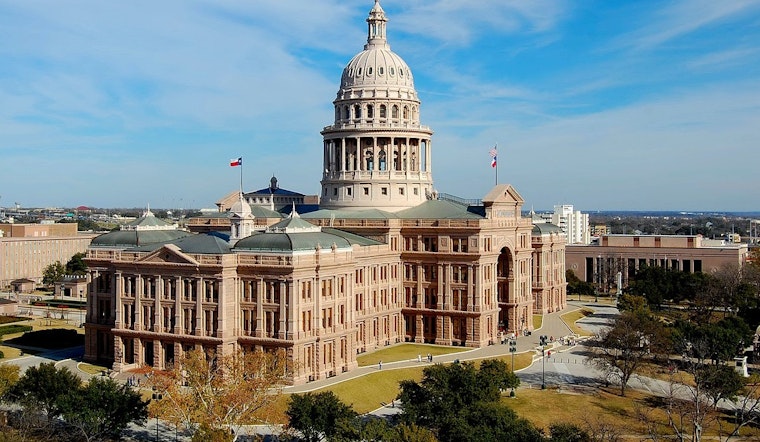
State senators packed into a hearing room at the Texas Capitol in Austin on Tuesday to wrestle with a blunt question: as the state sees more violent, high‑need youth in the system, should Texas pour money into building more secure beds, or double down on keeping kids in their communities with intensive local programs?
Senate hearing zeroes in on juvenile violence
The Senate Committee on Criminal Justice spent the day dissecting “Addressing Juvenile Violence,” a charge that covers diversion programs, sentencing laws and how courts handle people found not guilty by reason of insanity, according to the Senate Committee on Criminal Justice.
Lawmakers heard from an invited slate of Texas Juvenile Justice Department officials, county judges, probation leaders and victim advocates, who presented sharply different visions of how much capacity the state really needs, what kind of treatment works and how to keep the public safe.
TJJD says more youth in custody and cases are riskier
Texas Juvenile Justice Department Executive Director Shandra Carter told senators that the agency’s committed population has recently climbed. She said TJJD had about 550 youth in 2024 and “we now have 800,” and explained that while overall referrals are dropping, commitments are rising because the young people who do end up in state custody are coming in at a higher risk level. FOX 7 Austin also reported testimony that juvenile murders are down even as gun offenses involving teens have ticked upward.
DOJ report, staffing strain and a big price tag
A 2024 report from the U.S. Department of Justice found unconstitutional conditions at multiple TJJD facilities, including excessive force, sexual abuse and inadequate mental‑health care. Those findings make any simple call to “just build more beds” a lot more complicated.
At the same time, the Legislative Budget Board points out that the 88th Legislature already set aside $200 million to build two new state youth facilities intended for the highest‑risk and mentally ill youth, and that TJJD has signaled it may need roughly $75 million more to finish construction and hit a 2028 intake goal. Legislative Budget Board
Counties pitch prevention over more state lockups
Several witnesses urged senators not to answer every public‑safety worry with more razor wire. Instead, they pushed for heavier investment in local intervention and reentry services so more youth can be supervised and treated closer to home.
Testimony featured a Williamson County program that officials say reduced recidivism by about 35 percent compared with traditional supervision, cost around $10,000 per participant and generated per‑case savings for the county. Nonprofit groups, including Jail to Jobs, argued that vocational training and reentry pilot programs should be scaled up rather than sidelined. Those details from the hearing were reported by FOX 7 Austin.
Legal trade‑offs and policy pressure points
The committee has been instructed to weigh whether determinate “3G” sentences for violent juveniles would better protect Texans and to review Health and Human Services community supervision recommendations for defendants found not guilty by reason of insanity, language outlined in the official notice. Senate Committee on Criminal Justice
Advocates counter that the U.S. Department of Justice findings are a warning flare. In their view, expanding capacity without shoring up oversight, staffing and mental‑health care simply replicates the same problems in a bigger footprint.
What comes next at the Capitol
Senators left the record open to take more written testimony and signaled that Tuesday’s hearing will feed directly into budget talks and bill drafting over the coming months. The fight ahead is likely to center on whether Texas commits to costly new facilities, throws its weight behind local diversion and reentry programs, or tries to stitch together a hybrid that can claim to serve both public safety and rehabilitation.





