

























































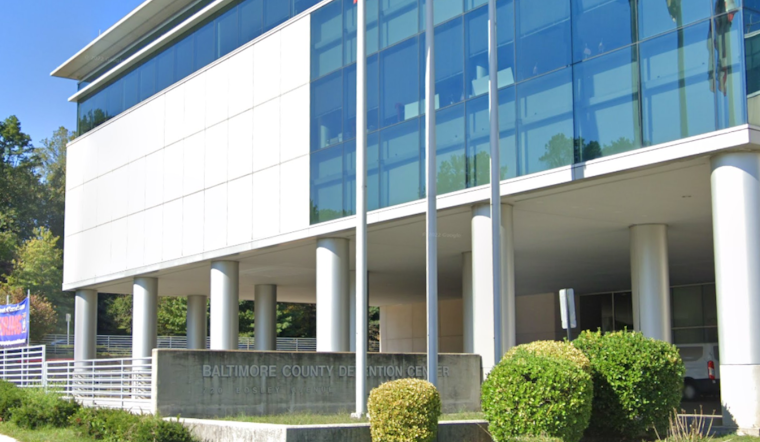
A $1.5 million settlement meant for Baltimore County inmates who worked at the county recycling plant has turned into a courtroom tug-of-war, with crime victims demanding their cut first. Victim-rights lawyers have sued to stop the deal, setting up a June 11 showdown over who gets paid before the money runs out.
Who Gets the Money Under the Deal
The proposed class-action agreement would steer about $1.46 million into a fund for current and former Baltimore County inmates who worked at the county-run Materials Recovery Facility in Cockeysville. Another roughly $2.3 million would go to the lawyers who brought the case, according to Bloomberg Law.
The underlying lawsuit seeks back pay under the Fair Labor Standards Act for people who sorted recyclables at the plant while incarcerated. Court notices have gone out to potential class members, and filings spell out deadlines for those eligible to file claims and claim their share.
Victims Push Back
Not everyone is cheering the deal. Attorney Thiru Vignarajah and the Maryland Crime Victims Resource Center have gone to court to challenge the settlement, arguing it “prioritizes the rights of inmates over the interests of their victims,” as reported by CBS Baltimore.
The new suit was filed on behalf of four crime victims who, advocates say, were left without any meaningful path to restitution under the current agreement. Their basic argument: before the county cuts checks to incarcerated workers, it should make sure victims get what they are owed.
How the Wage Fight Started
The dispute traces back to 2021, when people held at the Baltimore County Detention Center sued over what they were paid for work at the Cockeysville recycling facility. Some workers made as little as $20 a day, according to Law360.
A Fourth Circuit panel breathed new life into the FLSA claims in 2024, reviving the case after an earlier setback. This year, the U.S. Supreme Court declined to review the county’s appeal, sending the matter back to the trial court to sort out the gritty details of how any settlement would be distributed and how restitution claims would be handled.
What Victims Say Is Missing
Local coverage has spotlighted victims’ frustration with the proposed payout plan. Some victims of crimes committed by members of the settlement class have asked to be included, but advocates say there is still no reliable mechanism that ensures they receive restitution, The Baltimore Banner reported.
Those concerns are front and center in the new lawsuit, which urges the court to halt approval of the deal unless and until victims’ restitution claims are identified and protected.
Earlier Ruling on Restitution
Advocates are not starting from scratch. Earlier this year, a Baltimore County judge sided with victims and ordered that settlement dollars be held back so restitution could be paid before any funds went to inmates, according to CBS Baltimore.
The latest challenge leans on that ruling and asks the court to enforce a clear restitution-first rule. It also pushes for an order requiring the county or the settlement’s claims administrator to track down and identify crime victims before any checks go out to class members.
June 11 Hearing Will Set the Tone
The court is scheduled to take up final approval of the settlement on June 11. The judge’s choice is stark: keep restitution at the front of the line or let the current distribution plan move forward, which could determine how much, if anything, victims see before the inmate workers are paid.
Observers have also zeroed in on the roughly $2.3 million in attorneys’ fees and the county’s legal costs, which could both fuel public criticism and shape the practical impact of the deal, The Daily Record reported.
Advocates say they hope the court will spell out a straightforward restitution process so victims are not left chasing money after fees and payouts are made. The June 11 hearing will be a test of how Maryland courts balance statutory protections for crime victims with the machinery of a complex class-action settlement.





