

























































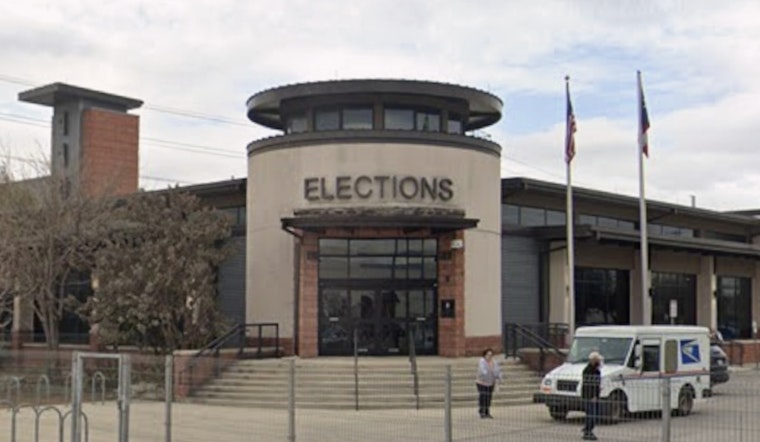
Bexar County Clerk Lucy Adame-Clark is headed for a May 26 Democratic runoff against challenger Cynthia Castro, turning what is usually a quiet, bureaucratic post into one of the county’s more charged political showdowns. Adame-Clark, who has said she would not seek a fourth term if voters give her one more, led the March primary but fell short of the majority she needed to win outright. The race has zeroed in on digital access to county records and an ethics complaint tied to a paid magazine profile.
How the March primary set the stage
In the March 3 primary, Adame-Clark pulled in about 46.5% of the vote, while Castro captured roughly 38.7%. Neither candidate crossed the 50% mark required to avoid a runoff. Official tallies list 72,745 votes for Adame-Clark and 60,588 for Castro, a gap that now feeds a low-turnout, high-stakes showdown where every ballot carries extra weight, according to the Bexar County Elections Department.
Campaign clash: records, mailers and an ethics complaint
Castro has hammered online access to court and county records as a core critique of Adame-Clark’s tenure, arguing that Bexar County’s portal should offer more documents at no cost and make public searching easier. The contest escalated after a Castro campaign mailer accused Adame-Clark of having a “personal relationship with (an) indicted CHILD ABUSER,” and Castro followed up with an ethics complaint that includes allegations involving a paid magazine profile. The Texas Ethics Commission is reviewing the portion of that complaint that concerns the paid advertisement, and the profile’s placement was reported by the campaign as a paid item, according to the San Antonio Express-News.
Campaign filings and the magazine placement
Adame-Clark disclosed a payment tied to the magazine profile in a February 23 campaign finance report filed with county election officials, a detail Castro highlights in her ethics complaint. That filing, available through county election records, is part of the public documentation cited in the complaint, according to campaign finance records on file with Bexar County.
What the law says about paid political ads
Under Texas law, political advertising that appears in a publication “in return for consideration,” including magazines and other periodicals, must include specific disclosures. The Texas Ethics Commission requires a clear statement that the material is political advertising and who paid for it. Commission guidance lays out when a profile or paid placement becomes regulated political advertising and why those disclosures matter to voters, according to the Texas Ethics Commission.
Why the county clerk’s office matters
Despite its low profile, the county clerk’s office controls records that touch everyday life in Bexar County, including marriage and death certificates, property deeds and court minutes. The clerk manages an operations budget and staff that keep those records accessible. The job pays more than $160,000 a year and oversees an approximately $11 million budget and more than 160 employees, according to the San Antonio Express-News. The office has also pushed initiatives such as digitizing historical commissioners court minutes and launching a mobile “Records on the Run” truck to bring services directly into the community.
Runoff logistics and what’s next
Early voting for the May 26 Democratic runoff is scheduled for May 18 through 22, with Election Day set for Tuesday, May 26, according to local runoff guides. With no Republican candidate filed for county clerk, the Democratic runoff is expected to decide who takes office in January, a point local outlets and voter guides emphasize as they call attention to turnout in what is anticipated to be a low-turnout contest, according to the San Antonio Report.





