

























































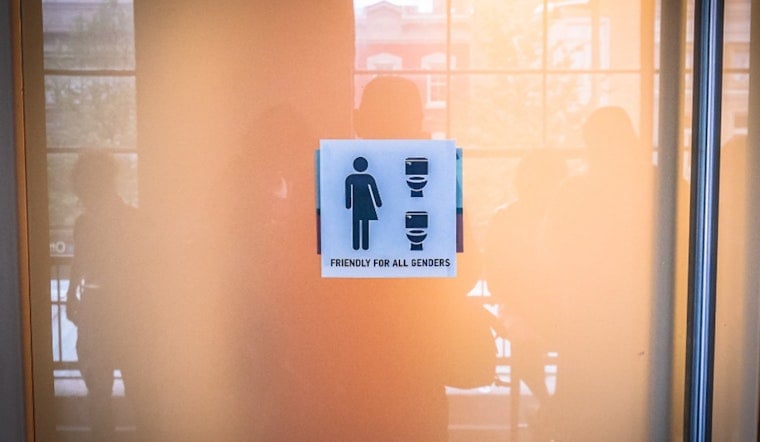
Six transgender Idaho residents are asking a federal judge to hit pause on a sweeping new restroom law that would make it a crime to use bathrooms and changing areas that match a person's gender identity instead of their sex assigned at birth. They argue that H.B. 752, which is set to take effect July 1, would expose people to arrest and jail time and would reach into both government buildings and private businesses. In their view, the measure is so broad and punishing it would effectively push many transgender Idahoans out of public life.
The lawsuit, Jackson-Edney v. Labrador, was filed April 29 in the U.S. District Court for the District of Idaho and names Attorney General Raúl Labrador along with dozens of county prosecutors. The plaintiffs are asking for classwide injunctive relief, according to the ACLU. They are represented by the American Civil Liberties Union, the ACLU of Idaho, Lambda Legal and the law firms Munger, Tolles & Olson and Alturas Law Group. Their attorneys say the law violates the Due Process and Equal Protection Clauses of the Fourteenth Amendment and warn that enforcing it would inevitably force people to reveal private medical or identity information.
What the law does
H.B. 752, signed into law March 31 by Gov. Brad Little, bars anyone who "knowingly and willfully" enters a restroom, locker room or changing area in a government-owned building or a "place of public accommodation" if that facility does not correspond to the person’s sex assigned at birth, according to Munger, Tolles & Olson. The term "public accommodation" covers a long list of everyday spaces, including libraries, airports, malls, gas stations, hospitals and restaurants.
The penalties are steep. A first offense is a misdemeanor that can carry up to one year in jail. A second offense within five years jumps to a felony with a potential five-year prison sentence, a punishment level that advocates describe as unusually severe for bathroom use.
Plaintiffs' accounts
The six named plaintiffs say H.B. 752 would disrupt nearly every aspect of daily life, increasing the risk of harassment and even medical problems if they avoid restrooms altogether. Their experiences are laid out in a press release from their legal team. Plaintiff Diego Fable said that fully complying with the law would be "extremely isolating" and would leave him facing "tough choices every time I leave my home." Other plaintiffs, including Amelia Milette and Peter Poe, described strategies like limiting food and drink to dodge public bathrooms and fears of violence if they are forced into facilities that do not match how those around them perceive their gender.
Enforcement and police pushback
Some Idaho law-enforcement groups had already warned lawmakers that the measure would be a nightmare to enforce without intrusive questions or even searches of people trying to use a restroom. The Idaho Fraternal Order of Police highlighted practical problems with the statute, Boise State Public Radio reported. Opponents have also pointed to existing research that finds inclusive restroom policies do not increase safety risks, while restrictive rules can heighten harassment of transgender people.
Legal stakes
The complaint contends that H.B. 752 is unconstitutionally vague and discriminates based on sex and transgender status, in violation of the Fourteenth Amendment’s Due Process and Equal Protection Clauses, the Associated Press reports. The plaintiffs say the law will cause emotional harm, worsen gender dysphoria and create health risks when people avoid using restrooms, all detailed in the court filing. They are seeking a declaratory judgment that the law is unconstitutional and an injunction blocking its enforcement while the case moves forward.
What's next
The plaintiffs have asked the federal court to stop H.B. 752 from taking effect on July 1 and say they will pursue preliminary relief, according to a statement from Munger, Tolles & Olson. If a judge grants an injunction, the law could be put on hold before its effective date; if not, the case will proceed through briefing and motions that could take months.
Idaho officials, including the attorney general’s office, have said they look forward to defending the law, the Associated Press reported. Civil-rights groups say the case is shaping up as a major federal test of how far a state can go in regulating who uses which restroom. With penalties that can leave repeat offenders facing years behind bars, they argue that the outcome will reverberate well beyond the six plaintiffs, affecting transgender Idahoans statewide along with the businesses and local governments now tasked with interpreting and enforcing the law’s contested language.





.jpg)