

























































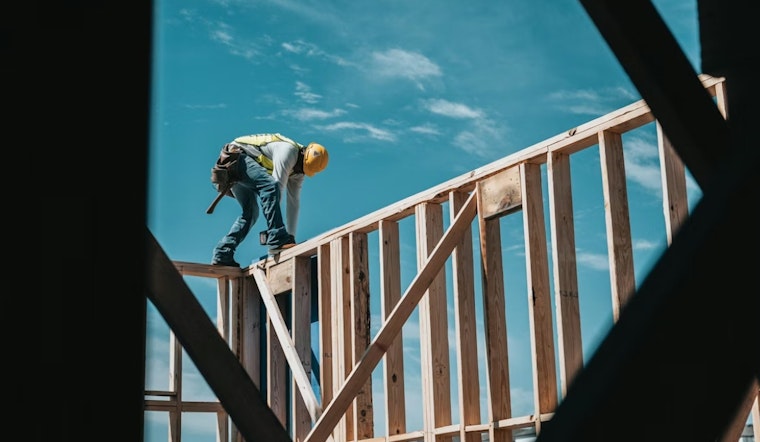
A nearly eight-acre patch of Brighton dirt is on track to become one of Colorado's more ambitious housing experiments, as members of the nonprofit Gratitude Village say they are under contract on the site for a fully accessible, net-zero cohousing neighborhood with shared amenities and dozens of homes. The plan is pitched as multigenerational and mixed-income, blending market-rate units with a portion reserved for permanent affordability. Founding members are already making deposits while organizers complete due diligence, with a construction window that could begin in 2027 and move-ins targeted for 2028.
Local Business Press Breaks the Story
The effort was first reported by the Denver Business Journal, which described members of the cohousing group acquiring land in Brighton and estimated a project price tag in the tens of millions. According to the Denver Business Journal, organizers outlined plans for "dozens" of homes and shared community facilities, with specific approvals and design details still subject to review.
What Gratitude Village Says It Will Build
Per the Gratitude Village website, the nonprofit envisions roughly 24-56 homes built to Passive House-level efficiency and community-wide NetZero performance, with shared amenities that include a Common House, community gardens, EV charging, and guest suites. The group's pro forma puts total project costs in the roughly $38 million to $55 million range and lays out an entitlement and due diligence schedule ahead of closing. Founding members pay a deposit to secure priority home selection and are invited to site-design workshops this summer to help finalize the neighborhood layout.
Design, Location and Partners
The Cohousing Association of the U.S. lists Gratitude Village as a net-zero, fully accessible, multigenerational community forming in the Denver metro and notes the group has "nearly 8 acres under contract in Brighton," about 20-30 minutes from downtown Denver and roughly 1.5 miles from Barr Lake State Park. That listing also says Studio Co+Hab has been engaged as an architectural partner to help translate co-design input from founding members into a site plan.
Timeline and Funding
Organizers say they plan to finish due diligence and entitlement work this summer and move toward closing on the land in mid-to-late 2026, with construction slated to begin in 2027 and move-ins targeted for late 2028. The project's website lists founder deposit levels, a June deadline for certain early-buyer incentives, and an estimated per-home price range of roughly $250,000 to $800,000, depending on unit type and the final affordability mix. If the group secures financing and permits as planned, developers say the shared-ownership, nonprofit model could help keep long-term costs lower through energy savings and pooled amenities.
Why It Matters for Brighton and the Region
Advocates for cohousing say the model creates built-in support networks and alternative paths to homeownership at a time when metro Denver continues to wrestle with affordability and uneven housing supply. Recent local reporting from the Denver Gazette shows vacancy and rent trends shifting in the Denver market even as affordability pressures persist, which helps explain why mixed-income experiments with sustainability and shared infrastructure are drawing local attention.
Next steps for Gratitude Village include finalizing soils and environmental reports, securing entitlements from Brighton, and locking in financing. If those pieces fall into place, organizers say the community could be an early Colorado example of fully accessible, net-zero cohousing. Prospective residents and supporters can sign up for updates and attend design sessions as the group advances through permitting and site design.




