

























































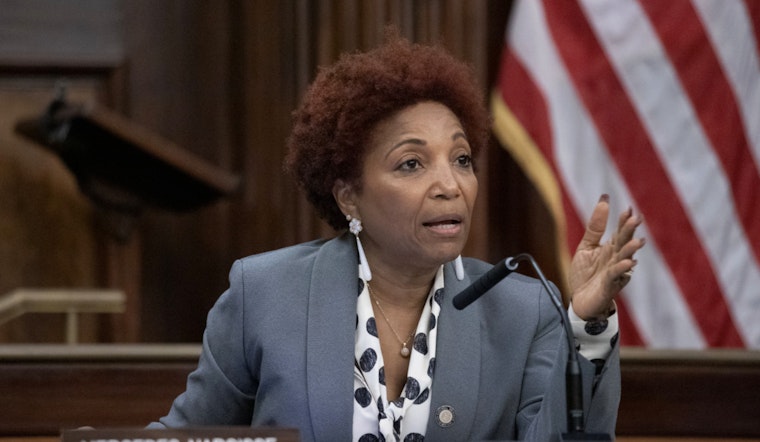
Brooklyn Councilmember Mercedes Narcisse is trying to thread one of the trickiest needles in New York City housing: let homeowners make a little extra cash from short-term rentals without giving away the store on long-term tenant protections.
On Friday, Narcisse unveiled a proposal she is calling the Homeowner Stability and Protection Act, a bill she says is tailored to working-class owners who feel cornered by rising housing costs and aggressive deed‑theft scams. The pitch is simple on its face: tightly controlled short-term rentals that help owners stay afloat, without shrinking the pool of traditional rentals.
As reported by News 12, Narcisse argues the bill would "allow struggling homeowners to earn extra income by sharing their home with no impact on renters," and says it could offer a "significant upside for working‑class homeowners who are facing a 240% increase in deed thefts as the city’s affordability crisis worsens." According to that report, Mayor Zohran Mamdani has not yet said whether he would sign the measure if it reaches his desk.
City Hall has been sounding the alarm on deed fraud at the same time. In a transcript of Mayor Mamdani’s April announcement creating a new Office of Deed Theft Prevention, the administration cited Attorney General data showing complaints to the AG’s office jumped roughly 240 percent between 2023 and 2025. The new office, the mayor said, is meant to coordinate legal aid and prevention work for owners who are being targeted.
How The Proposal Would Fit Into Current Rules
Narcisse’s bill will need to be crafted so it sits inside the city’s existing short‑term rental system, not on top of it. Under Local Law 18, hosts already have to register with the city, and platforms have to verify those registrations before a listing can go live. The law also lets the city flag a Prohibited Buildings List for addresses where short-stay rentals are off limits, according to City Council legislative filings.
Any carveout for owner-occupied homes would have to play nicely with those limits, or risk reopening loopholes the city spent years trying to close.
Why Supporters Say It Matters Now
Backers frame Narcisse’s idea as a narrow relief valve for homeowners, not an invitation for large-scale operators to run de facto hotels. Tenant advocates and housing organizers, meanwhile, warn that every exception is a fresh opportunity for commercial hosts to squeeze more money out of the housing stock.
Data obtained and reported by CBS New York shows deed‑theft complaints to the Attorney General rose from the low hundreds in 2023 to more than 500 in 2025, a spike that helps explain why some lawmakers are suddenly talking about short‑term rentals and homeowner fraud in the same breath.
What Happens Next At City Hall
If Narcisse formally introduces the Homeowner Stability and Protection Act, it will head into the City Council’s standard legislative maze: a committee assignment, public hearings, testimony from agencies and advocates, and rounds of potential amendments before any full Council vote and a final call from the mayor.
That kind of process can stretch for months, and sponsors often tweak bill language after they hear from city agencies, legal services groups, and neighborhood organizations. Both supporters and skeptics of more flexible short‑term rentals say they will be watching the committee calendar closely for the first hearing date.
We reached out to Councilmember Narcisse’s office and the mayor’s press team for additional details on where the bill stands in the drafting process and how it might intersect with Local Law 18. News 12 provided the first public look at the proposal.


