

























































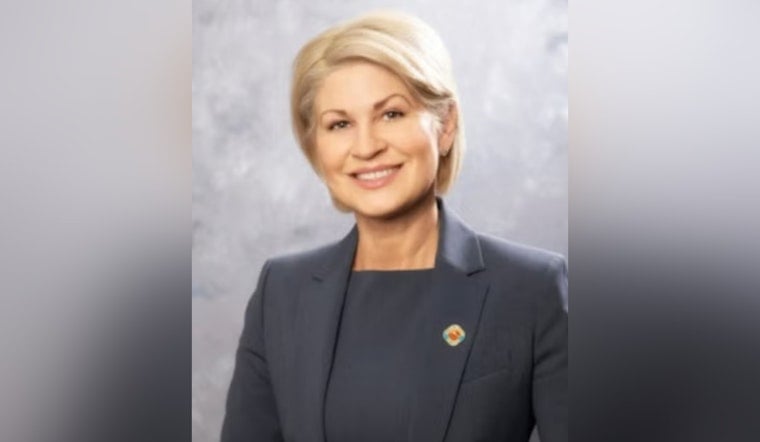
A low-profile Clark County election contract that began at roughly $320,000 has quietly swelled to a ceiling of about $32 million, and Commissioner April Becker is not pretending that is normal. Becker clashed with county staff over what she called a massive, largely overlooked expansion of costs and became the lone vote against the deal, pressing for clearer disclosure of amendments, licensing fees and annual escalators. The dust-up is already raising fresh questions about how Nevada’s largest county buys election services heading into the high-stakes 2026 cycle.
At the June 17, 2025 Board of County Commissioners meeting, Becker repeatedly grilled staff before casting the sole "no" as the board approved the contract 6-1, according to Clark County. Purchasing officials told commissioners the agreement was first ratified in 2015 and later expanded through nine amendments and cost escalators. County staff said they will "correct the purchasing process" so the full value of contracts is clearer in public reports. County finance chief Jessica Colvin called the way the total price was presented "confusing" and urged changes to staff write-ups going forward.
Investigative reporting finds gaps in disclosure
Reporters at 8 News Now found that the deal started at about $320,000 in 2015 and, after amendments, licensing fees and yearly escalators, climbed toward $32 million. Becker told the board that other Nevada counties put similar election services out to competitive bid and argued Clark County should follow suit. The TV investigation cast the controversy as a transparency problem with both budget and operational implications heading into the next round of elections.
Why some contracts can skip bids
Nevada law lists exceptions to competitive bidding, including professional services and certain hardware, software and maintenance, under NRS 332.115. At the meeting, Registrar Lorena Portillo said some election vendor contracts may qualify as professional services or rely on proprietary software and therefore do not have to go through public bidding, according to the county record. That mix of statutory carveouts and staff practice is now at the center of Becker’s push for clearer explanations of how big-ticket election deals are approved.
Why it matters now
The statewide primary is set for Tuesday, June 9, 2026, and the general election for Tuesday, November 3, 2026, according to the Nevada Secretary of State. With ballot printing, mail-ballot operations and sample-ballot mailings ramping up long before those dates, officials warn that procurement decisions can have immediate impacts on how smoothly elections run and how much they cost. Becker’s latest critique follows earlier votes and public comments in which she questioned no-bid awards and broader transparency on the commission, as noted by The Nevada Independent.
County leaders say they will revisit how purchasing information is presented so that total contract costs are easier for commissioners and the public to track. The clash over this one election services deal highlights how a routine contract can quietly grow into a multimillion-dollar obligation, and it all but guarantees closer scrutiny of Clark County’s election spending ahead of 2026.



