

























































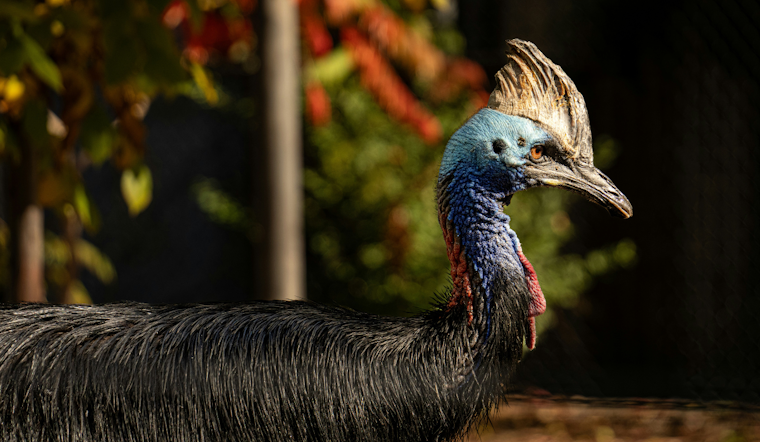
In Florida, you actually can keep a cassowary, the towering, knife-clawed bird often billed as the world’s most dangerous. State law quietly allows it, but only if you clear a set of rules so strict they would scare off most casual exotic-pet shoppers. Cassowaries are incredibly powerful and attacks on people are rare, yet when they happen the injuries can be catastrophic, which is exactly why the state makes potential owners jump through so many hoops and pass detailed facility inspections.
As reported by ClickOrlando, the Florida Fish and Wildlife Conservation Commission classifies cassowaries as Class II wildlife, a category that triggers a formal permitting process along with close scrutiny of cages, fencing and handling practices. The ClickOrlando breakdown walks through the fine print of what the state demands from would-be owners and why some experts see the birds as a genuine public safety issue.
How Florida's permit system works
According to the Florida Fish and Wildlife Conservation Commission, cassowaries are designated Class II wildlife and may be held with a Permit to Possess Class II Wildlife for Personal Use (PPL). The PPL lasts one year and costs $140; applicants must document 1,000 hours of hands-on experience in the animal’s taxonomic family, submit two reference letters and pass a facility and caging inspection. Facilities also typically must be at least 2.5 acres with a 35-foot buffer and perimeter fencing that meets the commission’s minimum height and overhang standards.
Why cassowaries are treated like weapons
The San Diego Zoo calls the cassowary “rightfully considered the most dangerous bird in the world,” emphasizing that each inner toe carries a dagger-like claw that can reach four inches long, the birds can sprint at high speeds and leap nearly seven feet, and larger southern cassowaries can tip the scales at well over 100 pounds. Those features turn a defensive kick or slash into a potentially life-threatening strike on a person. That mix of raw strength and unpredictable behavior underpins Florida’s decision to keep cassowaries in a tightly regulated category.
Deadly history and exemptions
In 2019 a 75-year-old Florida breeder, Marvin Hajos, died after a cassowary attacked him on his property near Alachua, an autopsy later confirmed fatal lacerations and a severed artery, according to WUFT. Coverage at the time also noted that an agricultural exemption in the captive-wildlife rules had complicated enforcement, since officials said birds kept for bona fide breeding or agricultural use may not always require the same permit, a point raised by news reports then.
How to apply and what to expect
Prospective owners must submit applications through GoOutdoors Florida and provide experience logs, facility blueprints and the required references before an inspection, per FWC guidance. The commission also recommends an exhibition permit rather than a personal-pet permit if the animal will be shown in public. For questions the FWC’s Captive Wildlife Office publishes contact details and a sample experience log on its site.
Legal takeaways
Possessing Class II animals without proper authorization carries real legal risk: Florida’s penalties framework allows civil fines, suspension or forfeiture of licenses and, in serious or repeat cases, criminal charges under Florida Statute 379.401. The FWC’s captive-wildlife rules are enforced by its Division of Law Enforcement, which can seize animals that are kept illegally.
For most Floridians, the cassowary will stay more urban-legend material than backyard attraction; the cost, red tape and physical danger keep the number of lawful owners small. If you already keep unusual animals, the state’s message is clear: double-check that your permits, paperwork and facilities line up with the rules before you even think about parking a bird like this in the barn.





