

























































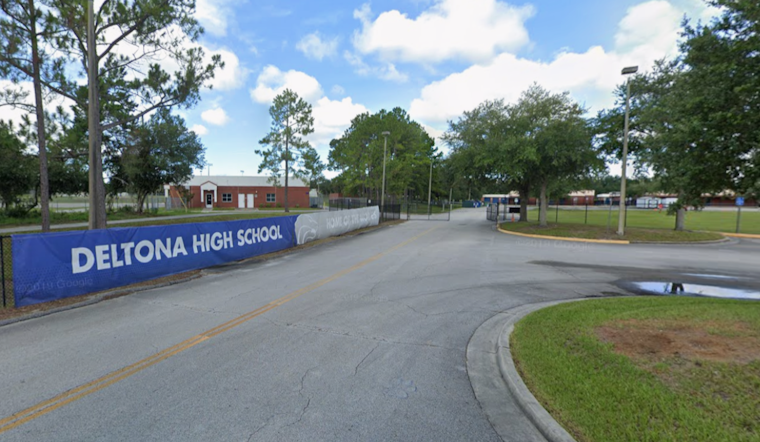
Ceiling-mounted drone pods are being tucked above the hallways at Deltona High School, where roughly 40 fast-response drones are coming online as part of a new state-backed security pilot aimed at stopping mass shootings. The aircraft are designed to launch within seconds, locate a suspected shooter and fire off nonlethal distractors while professional pilots control them remotely. State officials say the rollout is part of a multi-county test that will measure whether the technology actually adds a meaningful extra layer of protection.
According to the Florida Department of Education, the pilot received about $557,000 in state funding and includes campuses in Broward, Leon and Volusia counties. The department says the system will be integrated with existing alert tools and treated as a trial run before officials consider any broader deployment.
Deltona installation details
At Deltona High, school leaders and company representatives say about 40 drones have been staged in 13 locked mounting boxes positioned in high‑volume areas such as the auditorium, cafeteria and gym, with three drones in each box ready to launch within seconds, as reported by Tampa Bay 28. The devices sit above a campus of roughly 1,800 students and are meant to act as a rapid, on‑site response while local deputies fight traffic and distance to get to a scene.
How the system works
The program uses technology the vendor calls Campus Guardian Angel. The company builds a 3‑D digital twin of each campus and links into school cameras, according to The Texas Tribune. Vendor materials on Campus Guardian Angel say the drones are flown from a tactical operations center in Austin, Texas, can sprint at dozens of miles per hour indoors, carry strobes and loud alarms and deploy nonlethal distractors intended to disorient a shooter while giving first responders better situational awareness.
Voices on campus
Deltona principal Dr. Christina Lapnow told reporters she was “excited” about the additional layer of protection, and the school’s only resource officer said the system “gives another set of eyes and ears,” Tampa Bay 28 reported. Some survivors and safety advocates who spoke with reporters were more cautious, emphasizing that any new hardware should complement, not replace, prevention efforts and that clear rules for use will matter as much as the technology itself.
Critics and oversight
National reporting and industry analysts say the rollout raises basic questions about privacy, data retention and who watches the watchers, along with whether the system will hold up in the chaos of a real emergency. A drone‑industry analysis flagged a regulatory gap because FAA rules for remote pilots focus on outdoor airspace and do not clearly govern indoor operations, and civil‑liberties experts have warned that making force easier to deploy can invite misuse, DroneXL and other outlets note.
Legal and next steps
Local meeting minutes and state documents show officials plan to monitor the pilot closely and track its impact on both campus safety and community confidence before deciding whether to expand the program. Deltona’s advisory council minutes record security briefings about the drones and their expected startup during the upcoming school year, and those materials name Capt. Todd Smith as a point of contact for school safety in Volusia County. The Florida Department of Education press release outlines the funding and evaluation plans that will shape what happens to the ceiling‑mounted fleet once the pilot period ends.





