

























































Criminal cases that had loomed over former Sacramento Police Department officer Justin David Shepard, one felony domestic violence charge and a separate misdemeanor steroid possession case, have now both been dismissed in court. His California peace officer certification, however, remains under a temporary suspension. Prosecutors said they could not move forward on the felony without the complaining witness at trial, and a judge later tossed the misdemeanor after Shepard completed court ordered diversion steps. The criminal files are closed, but state regulators still control whether he ever wears a badge in California again.
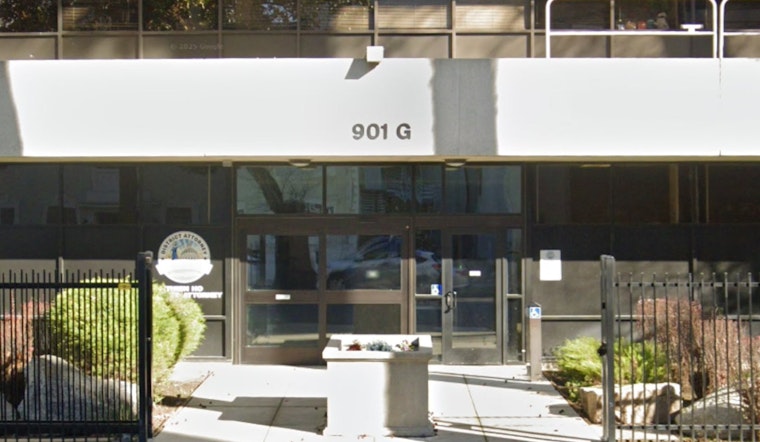
The Sacramento County District Attorney's Office asked a judge to dismiss the felony domestic violence case in October 2024 because, "the complaining victim in this case was not supportive of prosecution and, despite repeated attempts to locate her, she did not appear in court," according to The Sacramento Bee. That move came even though a judge had ruled at a March 2023 preliminary hearing that there was enough evidence to send the case to trial. Prosecutors told the paper they could not meet the criminal burden of proof without the victim's testimony.
Shepard was first arrested in May 2021 after an off duty incident in the Natomas neighborhood, and prosecutors later tied allegations from a separate San Francisco incident to the case, as reported by the San Francisco Chronicle. CBS Sacramento noted that Shepard was booked into the county jail and placed on administrative leave after the arrest. Early coverage highlighted how the allegations collided with the department’s internal investigations and growing public scrutiny of police conduct at the time.
The misdemeanor steroid possession case ended after Shepard sought pretrial diversion and submitted certified proof that he had completed a 12 hour anger management course. A judge dismissed the charge on May 7, 2025, court records show, according to The Sacramento Bee. Shepard's defense argued that his testosterone treatment was a personal health decision rather than a criminal enterprise, and another officer tied to the matter entered a diversion program. The dismissal wiped the misdemeanor from his criminal record even as wider questions about departmental accountability lingered.
California POST suspension
Just weeks after the steroid case was closed, Shepard's name appeared on the California Commission on Peace Officer Standards and Training certification actions list, carrying a temporary suspension dated May 23, 2025 and the basis listed as "Discharged by Agency - Acts that Violate the Law." The POST website explains that a temporary suspension stays in place until the executive director withdraws it or the commission issues a final decision. In practical terms, that means Shepard cannot exercise peace officer powers while POST weighs whether his certification should be reinstated or revoked, according to POST.
How the law works
Penal Code section 13510.8 gives POST authority to issue immediate or temporary suspensions when an officer is arrested, discharged, or separated during an investigation into serious misconduct. The statute lets the executive director act when a suspension is in the interest of "the health, safety, or welfare of the public" and allows administrative proceedings to roll on even if related criminal charges are dismissed. In other words, the administrative standard for certification actions is different from the criminal burden of proof, according to the California Legislature.
Victim non-cooperation and accountability
Advocates and prosecutors say Shepard’s case underscores a familiar problem in domestic violence prosecutions: when victims are unwilling or unable to testify, proving criminal allegations becomes difficult even when investigators point to corroborating evidence. Beth Hassett of the Sacramento nonprofit WEAVE told CBS Sacramento in 2021 that holding officers accountable is key both for survivors and for community trust. That practical reality, not just legal strategy, helps explain why the DA dropped the case despite an earlier ruling that it could have gone to trial.
The criminal docket may be cleared, but Shepard’s listing on POST’s certification actions page means state officials, not criminal courts, will decide whether he can return to duty in California. POST rules allow temporary suspensions to be lifted if investigations clear an officer, or to be converted into administrative revocations in more serious cases. For Sacramento residents watching how police discipline actually unfolds, the next chapters will play out in a slower, behind the scenes administrative process overseen by POST.




