

























































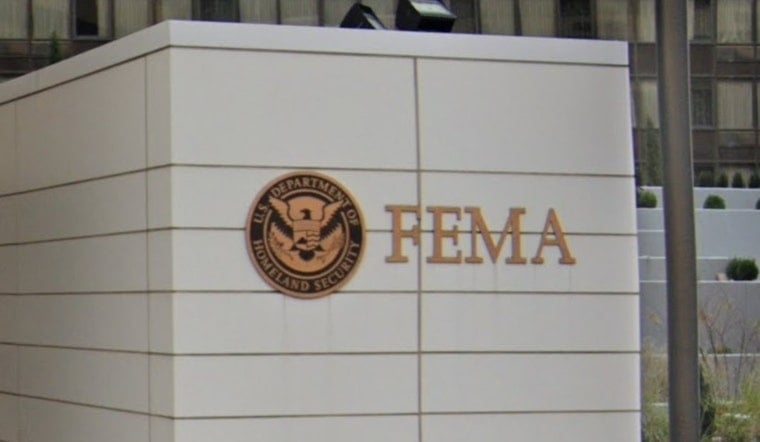
Fourteen FEMA staffers who stuck their necks out to warn that internal shakeups were putting the country at risk are finally heading back to their desks after eight months on paid administrative leave. The group behind the so-called "Katrina Declaration" - including 24-year-old emergency management specialist Abby McIlraith - say the call to return feels a lot like vindication after a long, awkward stint on the sidelines.
The employees received emails Wednesday instructing them to report back to the office Thursday. A FEMA spokesperson said the agency is taking "targeted steps to stabilize our workforce and strengthen readiness" as it gears up for the 2026 Atlantic hurricane season and the FIFA World Cup. Their return was first reported by NBC News and framed as part of a broader push to bolster FEMA's surge capacity, according to The Associated Press.
The petition, released Aug. 25, 2025 and signed by more than 190 current and former FEMA workers, warned that leadership changes and policy shifts were flirting with a repeat of Hurricane Katrina-level chaos. One day after it went public, the employees who attached their full names were placed on indefinite paid leave. They were briefly brought back in early December, only to be sent home again the same day in a move the Department of Homeland Security labeled an unauthorized action - a whiplash sequence first detailed by Axios.
Since taking office, Homeland Security Secretary Markwayne Mullin has scrapped a Noem-era rule that required his personal sign-off for any DHS expenditure above $100,000 and has begun clearing a logjam of FEMA grants and reimbursements that had been stuck in the pipeline. Federal officials and state emergency managers say those changes should ease the bottlenecks that slowed disaster recovery efforts, according to reporting by KCCI.
On Capitol Hill, the House approved - and the president signed - legislation that "will replenish FEMA's dwindling disaster fund with over $26 billion," The Associated Press reports. Officials say the cash infusion is meant to stabilize reimbursements and response capacity for states, tribes and territories as hurricane season bears down.
What The Disaster Relief Fund Pays For
FEMA's Disaster Relief Fund (DRF) is the agency's main pot of money for disaster response and recovery. It covers public assistance to repair damaged roads, bridges and other infrastructure, individual assistance for households hit by disasters, and it underwrites mitigation grant programs such as BRIC and the Hazard Mitigation Grant Program. The funding structure and the DRF's monthly reporting are laid out by FEMA.
Why The Reinstatement Matters
For long-time emergency managers, the return of the "Katrina Declaration" signers is about more than 14 people getting their badges reactivated. It is being read as a test of how much internal criticism FEMA is willing to tolerate while it braces for major events on the horizon. Advocates and the signers themselves stress that the recall does not wipe away their concerns about staffing, training and mitigation funding. Many inside and outside the agency will be watching to see whether recent policy moves actually translate into faster reimbursements and stronger preparedness where it counts - in communities waiting for help after the next big disaster.




