

























































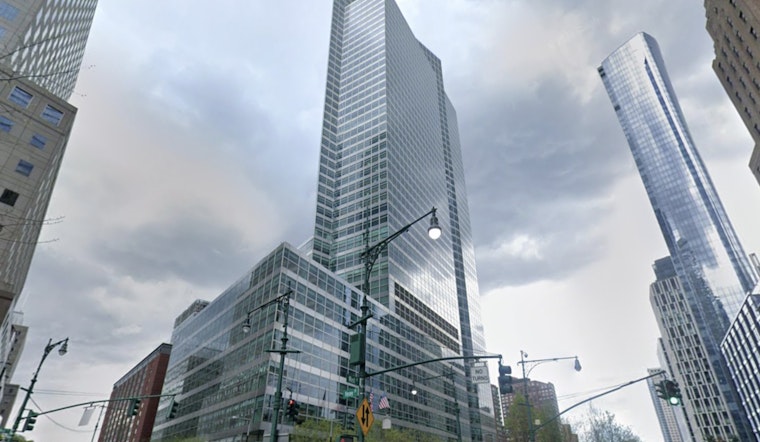
Goldman Sachs president and chief operating officer John Waldron is telling Wall Street that the robots are coming to help, not to take anyone's seat. In a Tuesday interview with CNBC, he said the bank is rolling out generative AI "digital agents" to automate what he calls the firm's "human assembly line," while insisting the effort will not trigger mass layoffs and that overall headcount should stay roughly flat. Waldron has been selling the push as a new "digital factory floor" that hands repetitive, back-office chores to machines so staff can lean into higher-value work. His comments hit Manhattan's finance crowd the same day Goldman and other research teams republished fresh estimates on how exposed workers really are to AI.
Waldron’s Pitch: Turn Bankers’ Grind Into A ‘Digital Factory Floor’
Waldron told interviewers he "often describe[s] Goldman Sachs as a human assembly line" and argued that big banks can become "much more robotic" in the way manufacturing companies already have, according to Bloomberg. In his telling, the firm is deploying generative AI digital agents to chew through process-intensive tasks so human teams can spend more time on client relationships and complex decision-making instead of low-level busywork.
Goldman Research: Huge Exposure, Slow-Burn Job Loss
In a March outlook, Goldman Sachs Research estimated that roughly 300 million jobs worldwide are exposed to AI automation and that AI could potentially automate tasks that make up about 25% of U.S. work hours. The report sketches out a baseline scenario in which about 6% to 7% of jobs are displaced over a decade, according to Goldman Sachs. The economists behind the numbers emphasized that they are measuring exposure and timelines, not forecasting an overnight, economy-wide firing spree.
At the same time, the firm wrote that "in the U.S. alone, roughly 500,000 net new jobs will need to be filled to satisfy the growing demand for power by 2030," with engineering and data-centre work singled out as likely winners in the build-out, per Goldman Sachs. The New York Post reported Waldron "vowed no mass layoffs" and said the bank expects headcount to remain roughly stable as automation is rolled out, a promise that will be judged against hiring trends and disclosure data over the coming quarters.
Workers And Watchdogs Are Not Entirely Buying It
Labor advocates and outside watchdogs note that executive promises are easy to make and harder to track. Wired has reported that companies frequently avoid citing automation as the official reason for staff cuts, which leaves many employees skeptical of broad assurances that AI is here only to "help." Analysts also warn that even if overall displacement is limited, trimming process-heavy entry-level roles can quietly shrink the traditional rungs junior workers use to climb into Wall Street careers.
What AI’s ‘Factory Floor’ Means For Manhattan
For finance workers in Manhattan, analysts expect the near-term impact to look less like a pink-slip tidal wave and more like a steady shift toward automated workflows for routine tasks, coupled with stronger demand for software engineers, model validators and data-centre specialists. At the same time, some entry-level pathways that once trained junior staff could feel the squeeze, according to commentary cited in Fortune. Whether Waldron’s headcount pledge holds up will become apparent only as public hiring data and any future workforce disclosures roll out.




