

























































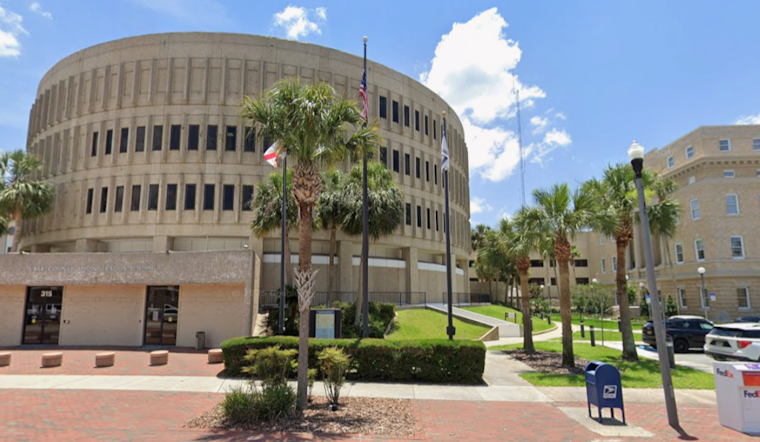
Lake County’s school tax fight is officially headed to voters. County commissioners voted 3-1 on Friday to place a proposed one‑mill property tax for Lake County Schools on the November general‑election ballot. Commissioner Anthony Sabatini cast the lone no vote, while Commissioner Timothy Morris attended virtually and did not vote. If voters sign off, the tax would kick in on July 1, 2027, and automatically expire after four years. District leaders say the added revenue would go toward boosting teacher pay and shoring up school safety and mental‑health supports.
Supporters told commissioners they want a steadier stream of local money to keep salaries competitive and reduce teacher turnover, with the measure projected to deliver roughly $9 million for compensation. As reported by Spectrum News 13, the commission first had to vote to advertise an ordinance and schedule public hearings before it could send the question to the ballot. The local teachers union has been campaigning on the proposal, pointing out that the referendum would lift the current 0.75‑mill local levy to a full 1.0 mill.
When the ordinance itself came up, commissioners again approved it in a 3-1 vote, with Sabatini opposed and Morris not voting. According to the Orlando Sentinel, Commissioner Leslie Campione said residents will have time to dig into the details and weigh the measure at public hearings. School officials, including spokesperson Sherri Owens, told commissioners that an independent citizens oversight committee would review how referendum dollars are spent. Supporters framed the tax as a way for Lake County to stay in the game with neighboring districts when it comes to pay and services.
What the tax would pay for
District leaders say the money would be divided among higher starting pay and recruitment bonuses, extra funding to meet school‑safety requirements, and expanded mental‑health services for students. Union and district materials spell out that the current 0.75 mill already helps fund existing safety programs, and those would remain in place, while the new revenue would be focused on compensation and retention, according to the Lake County Education Association. Officials emphasize that the exact breakdown of the roughly $9 million estimate would be hammered out in negotiations and monitored in public.
What it would cost homeowners
For property owners, one mill equals $1 for every $1,000 of assessed value. That means a home with a $200,000 assessed value would see about $200 a year in additional taxes. Spectrum News 13 notes that the proposal would nudge the local referendum rate from 0.75 to 1.0 mill and that voters first approved the district’s 0.75‑mill levy in 2018. Backers call the cost a trade‑off for a predictable local funding stream aimed at stabilizing pay and key services, while critics say any tax hike deserves close scrutiny at town halls and public hearings.
Next steps and timeline
The commission has already advertised the ordinance and scheduled public hearings as part of the review process, and county scheduling documents list the school tax referendum for the Nov. 3, 2026 general election if the ordinance is finalized. OrdinanceWatch shows the commission agenda materials and background packet, which detail the four‑year sunset and the July 1, 2027 effective date. Once the county takes final action, the question will be printed on the ballot and left up to voters in November.
Local context and teacher pay
Lake County’s current contract sets starting teacher pay at about $49,500 for new hires, according to the district’s 2025‑26 agreement. The full district contract is posted online. Nearby Seminole County bumped its starting salary to about $50,000 in a recent deal, per Oviedo Community News, and supporters say the proposed levy is meant in part to keep Lake from falling behind its neighbors.
Legal implications
The ordinance includes a sunset clause, and the ballot language calls for an independent oversight body to review how the money is spent if voters approve it. Those provisions are among the details county staff must publish and present at public hearings. OrdinanceWatch and county documents lay out the advertising requirements, hearing schedule, and ballot‑language deadlines the commission must meet to keep the referendum on track.
Voters will ultimately decide the future of the levy on Nov. 3, 2026. Between now and then, the district and the county plan to hold hearings and outreach sessions where residents can review the ballot language, quiz officials on the details, and decide whether the trade‑offs add up.





