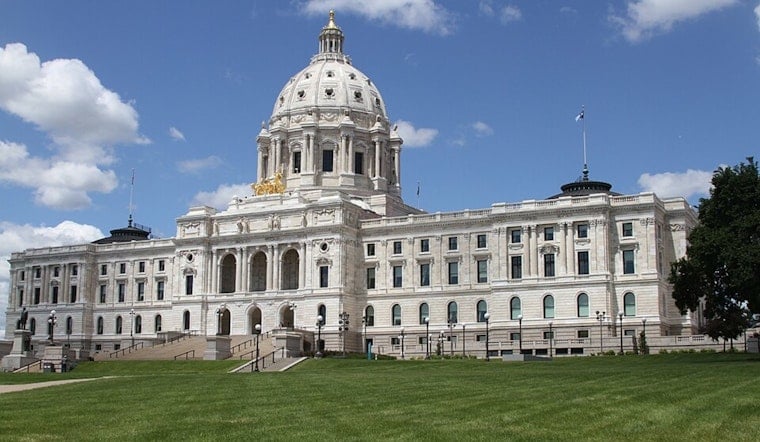
A quiet tax tweak moving through the Minnesota Capitol could mean bigger tabs in one of Minneapolis' hottest dining districts. A bill at the Legislature would fold the North Loop into the city's downtown hospitality tax district, tacking special downtown levies onto food, drink, and lodging sales in a neighborhood packed with restaurants and bars. Operators in the area warn that an extra line on the receipt could drive up customer bills and give an edge to competitors just outside the special-tax boundary.
House File 4361, introduced in March and authored by Reps. Esther Agbaje and Gomez would amend the state law that defines the downtown taxing area and adjust how Minneapolis' local special sales-tax revenue is carved up, according to bill language from the Revisor of Statutes. Supporters say the rewrite would let the city recoup roughly $62 million tied to stadium-related obligations through about 2046 and, in turn, free up money for downtown fixtures like the convention center and arenas, as reported by House Session Daily. The House Taxes Committee has laid the measure over for possible inclusion in this session's omnibus tax bill.
Plenty of North Loop businesses are not thrilled. Andrew "Rico" Berry, general manager at Puralima, put it bluntly: "I don’t think we need to be taxed more." On the other side, Adam Duininck, president and CEO of the Minneapolis Downtown Council, argues that pulling the North Loop into the district is about "tax fairness" and funding shared downtown assets, according to KSTP. In other words, if North Loop businesses benefit from downtown amenities, they should help pay for them.
What the tax covers and who would pay
Under language added to the Senate's omnibus tax bill, the downtown taxing area would continue to allow a tax of up to 3 percent on food and beverages, a similar levy on retail on-sale liquor and fermented malt beverages, and a lodging tax on larger hotels. The Senate text would also move the district's northern edge to Plymouth Avenue North, a shift that would effectively bring most of the North Loop inside the zone. A similar attempt to redraw the map stalled in 2024 when earlier boundary-change bills failed to advance out of committee, according to MinnPost.
Where the money would go and the timeline
HF4361 would also tweak statutory formulas so that some revenue increases that had been flowing to the Minnesota Sports Facilities Authority would instead be redirected, a shift that backers say would free up downtown dollars for capital projects and ongoing maintenance. The bill text sets an effective date so that the expanded boundary would apply to sales and purchases made after Sept. 30, 2026, if the measure ultimately becomes law. For now, the proposal is parked as lawmakers sort through what makes the final cut in the session's omnibus tax package.
That leaves North Loop restaurants, bars and hotels watching the process closely as tax negotiations play out before adjournment. If the change goes through, it would redraw the map of who pays Minneapolis' special downtown hospitality taxes and could subtly reshape how the city maintains some of its biggest public assets.