

























































Oakland County’s new drone-responder program just got its first big moment on camera, as sheriff’s deputies used an aerial assist to track down and arrest a 21-year-old in Pontiac without turning the call into a drawn-out vehicle chase.
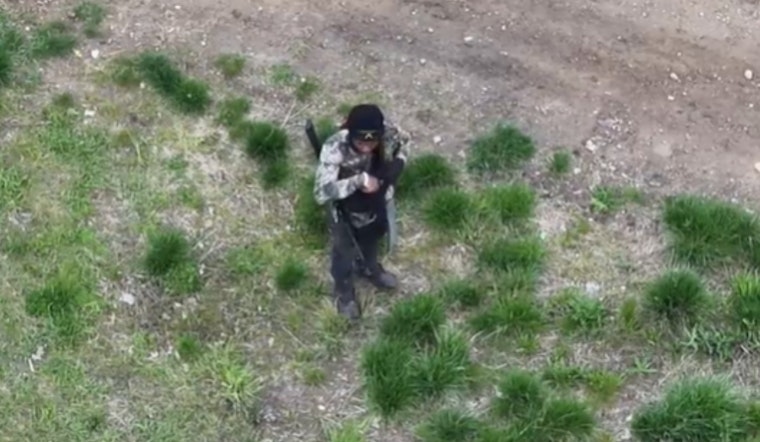
The video, released by the Oakland County Sheriff’s Office, shows the drone following a person on the ground while deputies close in and move to take him into custody. Authorities later identified the suspect as 21-year-old Joseph Edward Smith. County officials are touting the clip as the clearest public look so far at the recently approved drone pilot actually doing what it was designed to do.
According to The Detroit News, the footage captures the drone homing in on Smith before deputies surround him and complete the arrest, crediting the airborne camera with helping deputies find and follow him during the call for service.
The arrest landed just weeks after the Oakland County Board of Commissioners signed off on a nine-month trial with Flock Safety that lets drones respond to certain 911 calls. ClickOnDetroit reported that the pilot, listed in county paperwork as “Project Prove It,” will run at no cost during the trial period but could roll straight into a two-year, $2.5 million contract if officials do not opt out before a December deadline.
How The Pilot Will Work
County leaders say the drones are supposed to be used only for targeted, case-specific responses such as search-and-rescue efforts, missing-person calls and active incidents, not for routine neighborhood sweeps or broad surveillance. As GovTech reported, undersheriff Timothy Willis told commissioners that the trial will put seven drones in service across Oakland County and that every flight will be logged and displayed on a public transparency dashboard.
Plenty of residents and advocates are not convinced. Opponents at the commission meeting and online flagged worries over who controls the data, how long it is kept and what happens when technology gets it wrong. Hoodline's report on a privacy uproar over drones highlighted a Change.org petition challenging Flock contracts and amplified privacy advocates’ fears that automated surveillance tools can misidentify people and leave long-term damage in their wake.
Similar drone-as-first-responder pilots have already been tested nearby, with quick results. Police1 detailed how a Macomb County pilot program used a drone to track a speeding e-bike rider and helped deputies make an arrest on the very first day of the program.
The Oakland County Sheriff’s Office has framed its own drone effort as a safety upgrade that helps deputies see more, sooner, before they step into volatile scenes. ClickOnDetroit reported that the office says drones will be dispatched only to specific types of calls, that access to recorded video is restricted and can be audited, and that the county will maintain detailed flight logs as part of its transparency commitments.
Oversight And What Comes Next
Even as Oakland County’s trial gets off the ground, state officials are eyeing the broader implications of police drone use. GovTech noted that Michigan lawmakers have introduced bills under the SHIELD banner to set statewide rules for drones, signaling that the county’s nine-month experiment could become a test case in a much larger policy fight over how far these flying cameras should be allowed to go.





