

























































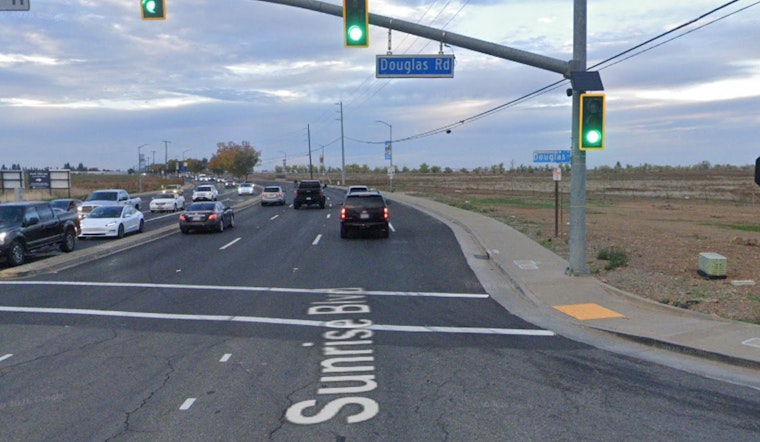
An off-duty Sacramento County Sheriff’s deputy was arrested on suspicion of driving under the influence after a multi-vehicle crash Tuesday afternoon in Rancho Cordova. The collision happened around 4:15 p.m. near Douglas Road and Sunrise Boulevard and involved several vehicles. Authorities said no one was hurt. The deputy was in an unmarked county vehicle and wearing street clothes at the time.
Rancho Cordova police arrested the deputy at the scene and later released him, according to KCRA. The outlet reported that the deputy was driving an unmarked county vehicle while off duty when the crash occurred and that no injuries were reported despite the number of cars involved.
Sheriff's Office Places Deputy on Leave
In a statement to KCRA, Sacramento County Sheriff’s Office spokesperson Edward Igoe confirmed the arrest and said the deputy has been placed on administrative leave while both a criminal investigation and an internal review move forward. The sheriff’s office did not immediately identify the deputy or say whether formal charges had been filed.
What the Law Says
An arrest for suspected DUI can lead to criminal charges under California Vehicle Code §23152, which makes it illegal to drive under the influence or with a blood-alcohol concentration of 0.08% or higher. If a crash causes injury, prosecutors may pursue DUI-causing-injury charges under §23153. That section is a so-called wobbler, meaning it can be charged as a misdemeanor or a felony depending on the level of harm and other circumstances.
What Happens Next
Rancho Cordova police will complete a criminal investigation, while the Sacramento County Sheriff’s Office conducts its own administrative review. The Sacramento County District Attorney will ultimately decide whether to file charges.
The case is unfolding as the California Office of Traffic Safety’s 2024 impaired-driving plan highlights a statewide push on DUI enforcement and prevention, according to the agency’s plan. The incident, involving an off-duty deputy behind the wheel of a county vehicle, underscores how law enforcement agencies typically separate potential criminal liability from internal discipline, with both tracks often moving at the same time until a decision is made on charges or policy action.




