

























































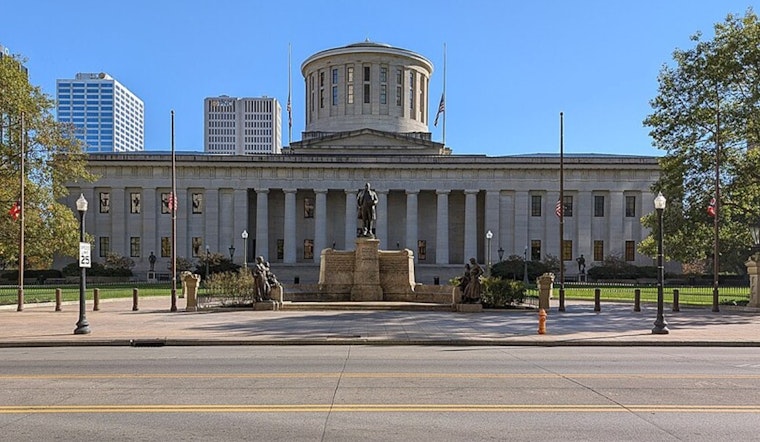
At the Ohio Statehouse, lawmakers are wrestling with a high-stakes question: should the state help test ibogaine, a powerful psychedelic that supporters say can dull opioid cravings and ease the grip of traumatic stress? Veterans and advocates delivered emotional testimony this week, arguing that tightly controlled clinical trials could offer a last-ditch option for people who feel they have run out of treatments. The conversation has ramped up quickly after federal officials signaled they are ready to back state-led research efforts.
Rep. Justin Pizzulli, R-Scioto County, who chairs the Ibogaine Treatment Study Committee, told colleagues that firsthand accounts from veterans persuaded him to push for research, according to the Ohio Capital Journal. Pizzulli, who represents Portsmouth, described heroin and fentanyl's impact on his community as "ground zero" for the opioid crisis. That reporting, later republished by CityBeat, noted that supporters emphasized the bills would open strictly clinical pathways, not recreational access.
The White House has already put its thumb on the scale for state trials. An April executive order directs the Department of Health and Human Services to steer at least $50 million through ARPA-H to match state investments in psychedelic research, according to a fact sheet from the White House. Backers told Ohio legislators that this federal pledge makes a coordinated state effort far more realistic. Skeptics on the committee countered that it is risky to lean on public settlement dollars for what they view as speculative treatments.
How other states have moved
Texas is already out in front. Lt. Gov. Dan Patrick and House leaders announced that the state will deploy $50 million in previously approved funds to launch an ibogaine research program and court private partners to match that spending, according to The Texas Tribune. Advocates say Texas' playbook, state money plus private matching, is a template other states are eyeing. Mississippi lawmakers have taken a smaller step, sending Gov. Tate Reeves a bill that could direct roughly $5 million in opioid settlement dollars to ibogaine clinical trials, States Newsroom reports.
What the science says
Early evidence has been striking, if limited. A Stanford Medicine report on a small observational study found that veterans treated with ibogaine and magnesium experienced large, short-term improvements in PTSD symptoms, depression and overall functioning, according to Stanford Medicine. The researchers underlined the study's modest size and the urgent need for randomized trials to confirm any benefits. Other scientists and watchdog groups have flagged safety concerns, particularly the risk of cardiac arrhythmias, and have urged strict protocols, Nature reports. Those safety questions would sit at the center of any Ohio pilot program.
How Ohio's debate might play out
Supporters in Columbus have floated the idea of tapping a slice of Ohio's anticipated opioid-settlement dollars to bankroll ibogaine trials. The Ohio Capital Journal reported that advocates view the settlement funds as a logical fit for testing new addiction treatments. Skeptics on the committee, including Sen. Steve Huffman, pressed whether it is wise to devote settlement money to what is still an experimental therapy. Lawmakers are staring at a familiar trade-off: act quickly in a narrow research window or hold back public dollars until the science is more settled.
Legal and policy questions
Federal law currently lists ibogaine as a Schedule I substance, a classification that sharply limits how it can be handled in U.S.-based research and care. The recent executive order carves out a path for faster review, directs federal agencies to build patient-access and trial-support systems, and sets aside matching funds through ARPA-H, according to the White House. Any Ohio effort would need federal clearances, rigorous cardiac screening, and tight clinical oversight before it could get off the ground.
What happens next
For now, backers say the immediate task is to sketch out a research blueprint and identify funding, all while keeping the model strictly clinical and highly monitored, CityBeat reports. Lawmakers have not yet approved dedicated money, and unresolved questions around safety, federal approval and public accountability remain front and center. The fight is likely to continue as Ohio decides whether to sign on to a broader national push that could reshape how addiction is treated.





