

























































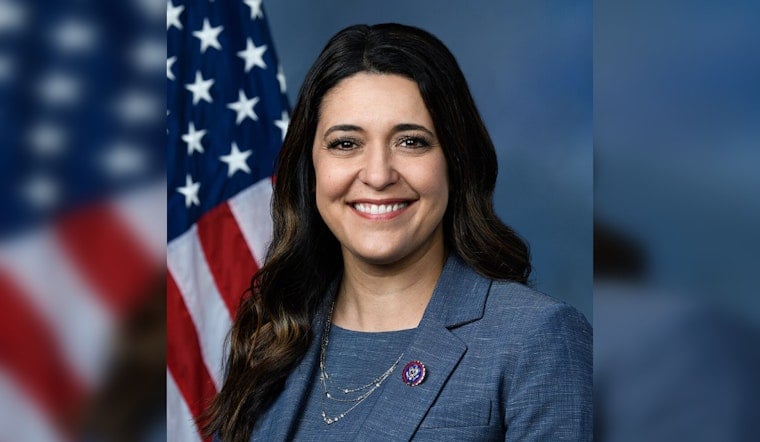
On April 15, Rep. Stephanie Bice put a familiar bill back on the table, reintroducing federal legislation that targets so-called fertility fraud and would give prosecutors and patients new tools to go after clinics and providers who secretly substitute or misrepresent DNA in assisted reproduction. The proposal, called the Protecting Families from Fertility Fraud Act, carries potential prison terms of up to 10 years and would extend the window for prosecution when a suspect is later identified through DNA. Advocates and survivors say the rise of consumer DNA testing and related reporting has exposed a pattern of deception that state laws address only unevenly.
Filed as H.R. 8295 and sent to the House Judiciary Committee, the measure was reintroduced with Reps. Julia Letlow and Chrissy Houlahan as original cosponsors, as reported by Ripon Advance. Backers are pitching the bill as a bipartisan fix aimed at giving victims clearer criminal and civil remedies where state law is silent or inconsistent.
What the Bill Would Do
Under the bill text, it would be a federal crime to “knowingly misrepresent the nature or source of DNA used” in assisted reproductive technology or assisted insemination, with a maximum prison sentence of 10 years. The proposal also creates a statute of limitations rule that allows prosecution up to 10 years after DNA testing identifies a suspect, and it adds the new offense to the list of RICO predicate crimes, steps supporters say are intended to let federal prosecutors pursue interstate patterns of conduct, according to the bill document at GovInfo.
Bice's office said the language was refined in consultation with the Department of Justice to make the offense more clearly prosecutable, and the reintroduction follows years of advocacy by people harmed by deceptive fertility practices, including those featured in the 2022 Netflix documentary “Our Father,” as reported by News 9. Supporters point to cases where consumers discovered mismatched parentage through commercial DNA tests and then went looking for legal remedies that were not always available.
State Momentum and Context
The federal effort arrives on top of a growing patchwork of state action aimed at criminalizing or toughening penalties for fertility fraud. Michigan's House has approved a multi-bill package creating criminal and civil consequences for providers and donors, as covered in a report that slams fertility fraud with tough new crackdown, and South Dakota recently moved to make fraudulent insemination a felony, according to reporting by KOTA-TV.
Legal Implications and Enforcement
By adding fertility fraud to the list of racketeering predicates, Bice's bill would let federal prosecutors bundle multiple incidents into larger RICO cases and tap civil remedies and expanded investigative tools when conduct crosses state lines. The statute of limitations provision, which starts the ten-year clock when DNA identifies a suspect rather than when the procedure occurred, is designed to account for the long gap that often exists between an insemination and the eventual discovery of genetic evidence.
What Comes Next
H.R. 8295 has been referred to the House Judiciary Committee, and earlier federal iterations introduced by Bice in 2022 and 2023 did not reach a floor vote, according to earlier congressional filings at Congress.gov. Whether this version moves will depend on how Judiciary leaders prioritize the bill and whether enough lawmakers decide federal penalties are needed as a backstop to uneven state laws.
“This legislation is about protecting patients, ensuring accountability, and delivering justice for victims,” Rep. Bice said in a statement reported by Ripon Advance. Advocates argue the measure would finally give families a clearer path to redress, while critics caution lawmakers to avoid criminalizing honest mistakes, a tension that is likely to surface when the bill comes up for committee debate.




.jpg)