

























































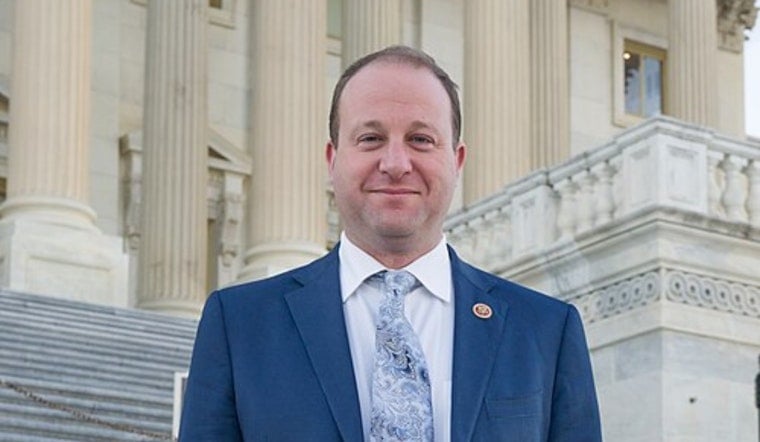
Colorado is staring down a wildfire season that state leaders say could turn ugly in a hurry. On Thursday, Governor Jared Polis shared photos from a statewide wildfire briefing hosted by the Colorado Division of Fire Prevention and Control, warning that a dry winter and record-low snowpack have left big swaths of the state unusually exposed. The images show firefighters, aircraft, and command staff packed into the division’s hangar in Broomfield as officials rolled out the 2026 Wildfire Outlook and preparedness plan. Polis and state fire leaders said that, unless conditions improve, the coming months could bring an elevated, fast-moving fire season.
What Polis Shared
Polis used a Facebook post to spotlight the statewide briefing, directing followers to official documents outlining how Colorado plans to tackle the season. The materials, laid out in a detailed PDF briefing packet, outline how the Division of Fire Prevention and Control intends to strengthen coordination and move resources around the state as conditions shift. The packet stresses early detection and aggressive initial attack so that new starts stay small rather than becoming headline-making disasters.
Officials Warn of Elevated Danger
State leaders told reporters they expect elevated fire potential in early summer and urged Coloradans to start cutting their own risk now, not when smoke is already in the air. "We are facing increased risk this coming year for June and July," Gov. Polis said, according to CBS Colorado, which covered the briefing at the division’s Rocky Mountain Metropolitan Airport hangar. Officials underscored that more than 90 percent of fires are human-caused and reminded residents that local mitigation, from safer equipment use to smarter landscaping, can actually move the needle.
Dry Ground, Low Snowpack, and the Data
The backdrop to all of this is not exactly encouraging. Federal and state data show a moisture picture that has fire planners on edge. The weekly summary for April 28 shows widespread drought across Colorado, according to the U.S. Drought Monitor. On top of that, the Natural Resources Conservation Service reported statewide snowpack at about 22 percent of the median as of April 9, per NRCS. In practical terms, those numbers mean fuels across the landscape are primed to carry fire quickly once it starts, and water supplies for suppression can be pinched when runoff arrives early and in a rush. The U.S. Drought Monitor and NRCS figures underpin the state’s planning materials and its blunt messaging to communities.
State Response and Local Steps
To keep small fires from becoming the next big one, officials said the Division of Fire Prevention and Control is leaning heavily on aircraft, mutual-aid agreements, and earlier detection tools, according to KKTV's coverage of the briefing. The state has added air assets and says it will back rapid initial attack efforts by local departments. At the neighborhood level, officials urged homeowners to finish mitigation work like thinning trees, cleaning up around structures, and creating defensible space, steps that could also help on the insurance side. Local agencies, meanwhile, are lining up outreach campaigns, mitigation grants, and burn-ban notices for the weeks ahead.
The photos from the hangar offer a glimpse inside that planning push, but the paperwork is where the fine print lives. The governor’s materials and the official briefing packet include maps, contact lists, and links to mitigation programs for communities and media. Residents can also review the governor’s post on Facebook for a front-row look at how agencies are gearing up as Colorado heads into what could be a very long fire season.



