

























































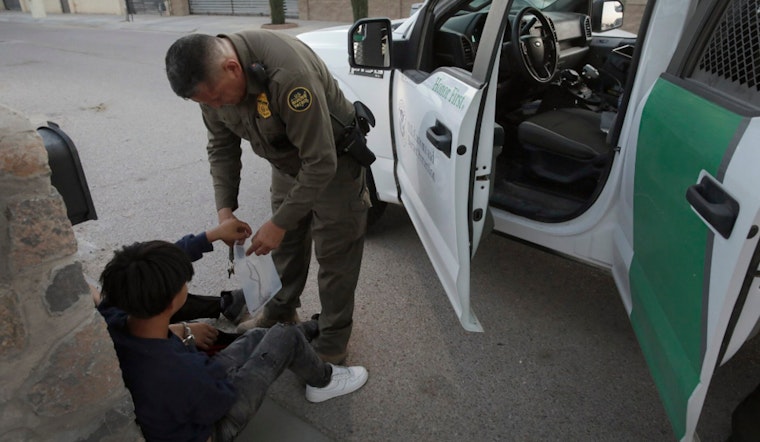
Most U.S. adults now say the United States is no longer a great place for immigrants, according to a new AP‑NORC poll. About one third of adults, including a majority of Hispanic respondents, say they or someone they know has been directly affected by recent immigration enforcement, turning a national policy fight into a personal story for millions.
According to AP, the nationwide survey included interviews with 2,596 adults from April 16 to 20, using NORC’s AmeriSpeak probability panel. The overall margin of sampling error is plus or minus 2.6 percentage points. The snapshot comes after months of stepped up federal enforcement and mass deportations that have pushed immigration to the center of both political debate and neighborhood conversations.
Most Back Birthright Citizenship, With Limits
Per AP‑NORC, 65% of adults say children born on U.S. soil should automatically receive citizenship. Support, however, shifts depending on parents’ status. About 75% favor it for children whose parents are in the country on work visas, 58% support it when parents are on tourist visas, and roughly half back it when parents are in the country illegally. Republicans are less enthusiastic overall, with only 44% endorsing universal birthright citizenship across the board.
Real People, Real Changes
Behind the topline numbers are small but telling changes in daily life. Respondents reported carrying passports more often, avoiding certain travel or public spaces, and reworking routines because of fear of enforcement. Kathy Bailey, a 79‑year‑old Illinois Democrat, told AP that two naturalized swimmers in her class now bring their passports whenever they leave home, and that the broader climate has left some longtime residents feeling less secure than they used to.
Enforcement, Courts and Politics
The poll surfaces as the U.S. Supreme Court weighs a challenge to President Trump’s effort to limit birthright citizenship. Oral arguments were heard on April 1, 2026, and a decision is expected by early summer, according to The Washington Post. The survey also follows months of aggressive immigration operations that sparked protests after fatal encounters with federal agents in Minneapolis and other cities, coverage that helped frame how the public is processing enforcement on the ground.
What It Means for Voters
Democrats and independents were more likely than Republicans to say they know someone affected by enforcement and to say the country feels less welcoming, the survey found. According to the AP‑NORC data, those personal ties were linked with stronger opposition to the administration’s tactics, a signal that immigration is likely to remain a potent political issue this year.
Whatever the Supreme Court ultimately decides, the poll suggests the human fallout from enforcement has already begun to reshape how Americans think about immigration and belonging. For a growing share of voters, the debate is no longer abstract policy talk, it is their own lives and communities on the line.


.jpg)