

























































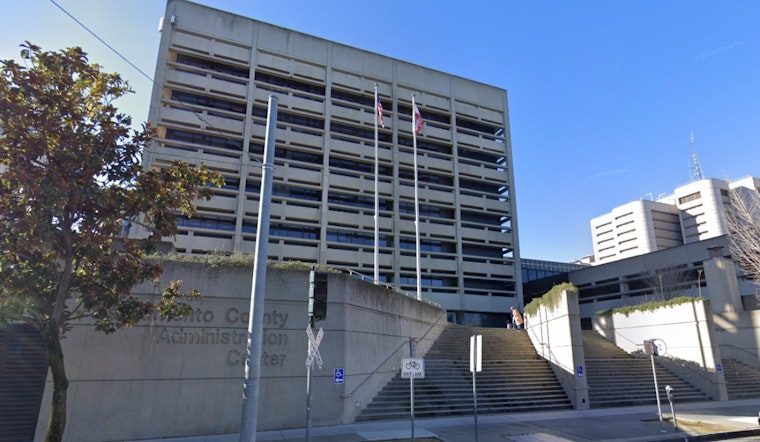
On Tuesday, the Sacramento County Board of Supervisors signed off on a retroactive memorandum of understanding that lets the sheriff’s office join the Sacramento–San Francisco Homeland Security Task Force, while also authorizing up to $500,000 for lease and operational costs between Oct. 1, 2025 and Sept. 30, 2026. The move folds county law enforcement into a federal task force setup that has already drawn scrutiny from immigrant‑rights advocates and local leaders.
The agreement appeared as Item 37 on last Tuesday’s board agenda, which describes a retroactive MOU and a revenue agreement “for lease and operational expenses” not to exceed $500,000 for the Oct. 1, 2025–Sept. 30, 2026 period, according to the county’s posted agenda from the Sacramento County Board of Supervisors.
Local TV outlet ABC10 reported that the contract links the sheriff's office to a Homeland Security Task Force that partners with ICE and other federal agencies, a structure immigrant‑rights groups warn could raise the risk of deportation for people jailed in Sacramento, per ABC10.
What the task force does
Homeland Security Task Forces are HSI‑led, multi‑agency teams directed to investigate and dismantle transnational criminal networks; they commonly include Homeland Security Investigations (ICE/HSI) alongside federal partners such as the FBI, DEA and IRS Criminal Investigation.
Local politics and concerns
The board’s approval lands amid a broader local push to curb ICE activity. Sacramento’s City Council updated its immigration platform in January to better shield residents from federal immigration operations, and residents in Natomas publicly protested an ICE sweep in March that left families on a quiet block shaken. KCRA and Hoodline reported on those developments.
What comes next
Because the board approved the MOU retroactively and placed it on the consent calendar, the agenda packet now serves as the formal public record of the authorization. Community groups and civil‑liberties advocates are expected to press county leaders for more details about how the sheriff’s office will participate in task force operations, per the Sacramento County Board of Supervisors.
Advocates say the county should spell out clear rules on information‑sharing and transfer protocols if the sheriff’s office is working alongside federal immigration agents, and civil‑liberties groups plan to monitor whether the MOU changes how people in local custody are handled.





