

























































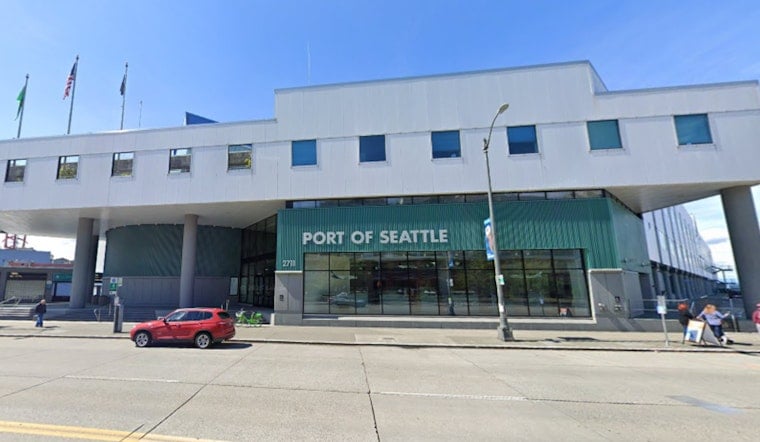
Sea-Tac Airport is racing to tighten how every truck, van and fire rig shows up on controllers’ screens, a direct response to the March runway collision at New York’s LaGuardia Airport that killed two pilots and injured dozens. Port of Seattle officials say they are looking at adding transponders to more vehicles and installing new antennas in the ramp tower so that data flows into Federal Aviation Administration surface-tracking systems. Airport managers describe the effort as a procurement and funding push meant to reinforce the layers of protection controllers count on while federal investigators sort out what went wrong back east.
Port plans to tighten vehicle tracking
The Port of Seattle has told staff it is applying for FAA funding to pay for additional vehicle transponders and tower antennas that would sync Sea-Tac’s ramp displays with federal surface-tracking systems. The work is in the procurement phase, and no contractor has been selected, according to The Seattle Times. The Sea-Tac ramp tower, which opened in 2006, typically has four controllers on duty at a time, airport officials told the paper.
What investigators found at LaGuardia
The National Transportation Safety Board’s preliminary report found that the Port Authority fire truck involved in the March 22 collision was not equipped with a transponder, which meant the airport’s surface-detection system could not uniquely identify that vehicle or trigger an alarm. The crash killed both pilots and sent dozens of passengers and responders to hospitals, according to The Associated Press.
Why transponders matter
The Airport Surface Detection Equipment-Model X, or ASDE-X, system combines radar, multilateration and transponder signals to give tower controllers a color map of aircraft and ground vehicles, along with visual and audio alerts when a potential conflict starts to form. Its ability to produce a confident track, however, depends on vehicles broadcasting unique identifiers, and the FAA has been pushing wider use of vehicle transponders, as the Federal Aviation Administration explains. A number of airports are now testing or installing tracking devices, and CNN noted that FAA guidance encouraging broader adoption was issued last year and that pilot programs have been under way.
Sea-Tac's baseline and next steps
Sea-Tac already outfits part of its fleet. Airport officials say about 60 emergency-response and operations vehicles were equipped with transponders as of 2021, and the ramp-tower staff must hold certifications comparable to FAA air-traffic controllers, the ramp tower manager told reporters. Port leaders say they intend to pursue FAA grants to expand that capability, add more antennas and feed the new data streams into the tower display as part of the same procurement process reported by The Seattle Times.
What travelers should expect
For now, Port officials say it is business as usual for passengers. Day-to-day operations at Sea-Tac are unchanged while planners map out upgrades and schedule work to avoid major disruptions. The airport continues to operate normally, the Port of Seattle has told local media, while the NTSB’s investigation into the LaGuardia crash continues.





