

























































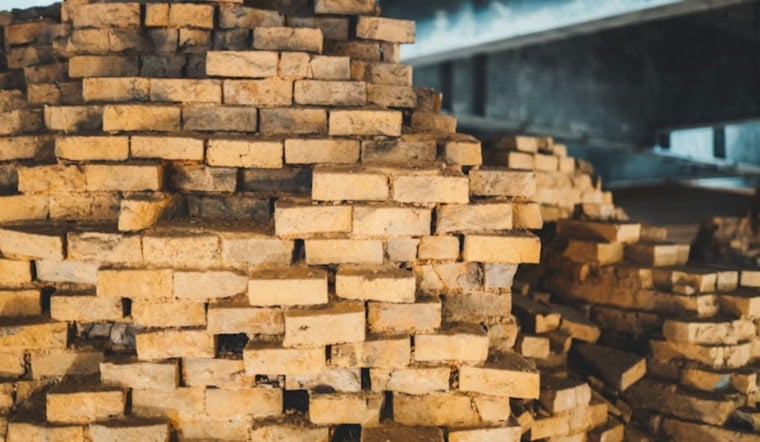
Seattle’s first salvaged lumber warehouse is officially open in SoDo, and the city did not break out the usual oversized scissors. On Friday, Mayor Katie Wilson sliced through a wooden “ribbon” with a chainsaw to kick off a pilot project that aims to give old beams and floorboards a second, or even third, life.
The new facility is set up to collect, process and sell lumber pulled from demolitions and renovations, so builders, furniture makers and weekend DIYers can put high-quality timbers back to work instead of watching them head to the landfill. Earthwise Architectural Salvage is running day-to-day operations, and city officials say federal funding will cover the warehouse’s setup and its first three years of operation. The warehouse opens to the public this weekend.
As reported by KUOW, the grand opening backdrop included stacks of reclaimed floor joists from the Aberdeen Armory and old-growth Douglas fir decking salvaged from a South Seattle manufacturing plant. KUOW also quoted Earthwise director Aaron Blanchard, who said the project lets the city turn finite old-growth timbers into useful products that can last for generations. The outlet noted that Environmental Protection Agency staff praised the stewardship behind the federal grant that helped make the warehouse possible.
Federal funding and scale
The project is backed by a $4 million grant from the Environmental Protection Agency, according to an agency fact sheet tied to the Bipartisan Infrastructure Law. The EPA document estimates the pilot will process about 150 tons of salvaged wood each year while Seattle works to build local markets and processing capacity around reclaimed lumber.
How the city hopes the pilot will work
Seattle Public Utilities officials say the grant is designed to seed a local market for reclaimed wood while the city tracks how much material is diverted and what kind of emissions benefits come with it. “Reuse is better than recycling,” Seattle Public Utilities manager Katie Kennedy told KUOW, summing up the philosophy behind building reuse into the construction pipeline.
City budgeting documents show Seattle Public Utilities plans to keep a close eye on the pilot and could convert temporary roles into permanent positions if demand for salvaged lumber grows. In its planning materials, Seattle Public Utilities notes that data on tons of wood diverted and overall market interest will determine whether the model is scaled up or eventually spun off to private operators.
What’s inside and who it serves
Earthwise describes the SoDo warehouse as both a drop-off point and a retail showroom, with offerings that include remilled flooring, custom milling and services for contractors. The operator says it will handle arranged drop-offs and pick-ups, making it easier for demolition and renovation crews to peel off reusable lumber instead of sending everything to the dump.
According to Earthwise, customers will be able to buy cleaned, de-nailed lumber suitable for new construction, furniture projects and DIY builds. The idea is to keep solid boards out of the landfill or from being ground into hog fuel, while building up a steady supply of reusable material. City and operator officials say they will be gauging success by the tons of wood kept in circulation, the strength of the emerging market and whether the venture supports long-term financial stability for salvage-focused businesses.
Why it matters for Seattle builders
Seattle has already been experimenting with deconstruction incentives and salvage partnerships that feed operations like the new warehouse. The city’s deconstruction page lays out the incentives and technical support available for recovering materials from houses and other buildings headed for teardown. Seattle Public Utilities notes that thoughtful deconstruction can divert significant tons of wood and other building materials away from the waste stream.
Officials say having a central warehouse for reclaimed lumber should cut costs and hassle for builders who want to work with salvaged materials but need a reliable supply. If the pilot hits its diversion and financial targets, they say it could serve as a local blueprint for locking embodied carbon into reused timber while supporting green jobs in the salvage and reuse sector.





