

























































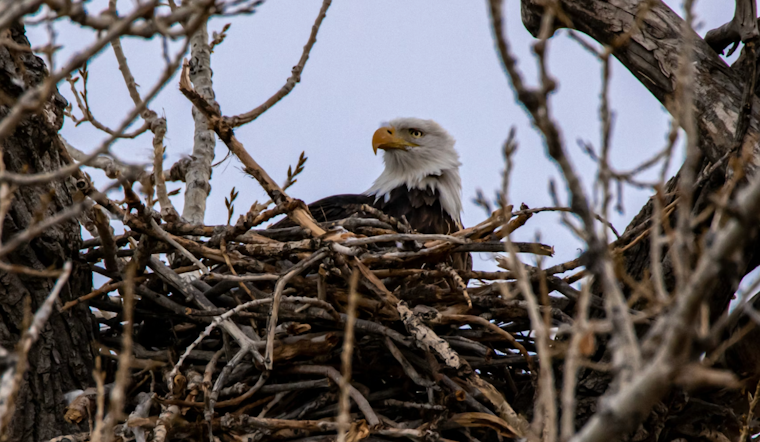
Two young bald eaglets in the Glen Hazel nest above the Monongahela River are worrying their devoted fan base, and it is not the kind of nest drama livestream viewers were hoping for. The chicks, identified on the camera feed as GH3 and GH4, have appeared listless on screen, prompting nest monitors to bring in licensed rehabilitators and state veterinary partners. For now, the pair is staying in the nest while experts weigh whether diagnostic testing or even removal might be needed.
According to WTAE, PixCams has confirmed that GH3 and GH4 "are not well" and has alerted Tamarack Wildlife Center and licensed rehabilitator Carol Holmgren to keep close watch. WTAE reports that PixCams' Bill Powers and other experts have been discussing possible scenarios and noted that testing would be necessary to determine what is causing the eaglets' distress. The camera team also said officials are looking into whether Pennsylvania and federal authorities might allow the birds to be removed for treatment and laboratory work.
Who’s Involved
PixCams runs the Glen Hazel livestream, posting season updates and observations from volunteers and nest monitors while also moderating the viewer community. The next team has reached out to Tamarack Wildlife Center, where executive director Carol Holmgren is a licensed wildlife rehabilitator with experience treating injured eagles. Officials say Tamarack and additional veterinary collaborators are advising as the situation unfolds.
Why Rescuing Chicks Is Complicated
Bald eagles and their nests are heavily protected under federal law, which means even well-intentioned rescue efforts are not as simple as grabbing a ladder. The U.S. Fish and Wildlife Service explains that the Bald and Golden Eagle Protection Act and the Migratory Bird Treaty Act restrict actions that could "disturb" nesting birds and require permits for many kinds of take. At the state level, the Pennsylvania Game Commission urges the public to call regional offices or central dispatch when they encounter sick or injured wildlife so trained staff can organize a response.
A Recent Precedent
There is a recent local case that shows how authorities sometimes step in. An eaglet at a U.S. Steel nest was removed for emergency surgery in April after swallowing a fishhook, in a response coordinated with rehabilitators and veterinarians. That episode highlights how agencies will authorize intervention at a nest when the harm clearly stems from human activity, and there is an urgent medical need, according to local reports. CBS Pittsburgh and other outlets covered the rescue and Tamarack's role in the effort.
What To Watch Next
PixCams and its partners say they are consulting with Penn State veterinary collaborators and Game Commission staff while continuing around-the-clock nest monitoring, and that as of Sunday, no final decision had been made. As WTAE reported, testing will be needed to learn whether disease, toxins, or another cause is behind the eaglets' symptoms.
Experts are urging viewers to resist hiking in for a closer look or fueling unverified online theories, and instead to report any sick or injured wildlife directly to the Pennsylvania Game Commission so professionals can evaluate the situation. The agency provides regional contacts along with a central dispatch number for reporting suspected sick, injured or nuisance wildlife. The Pennsylvania Game Commission website has details on how to file a report.





