

























































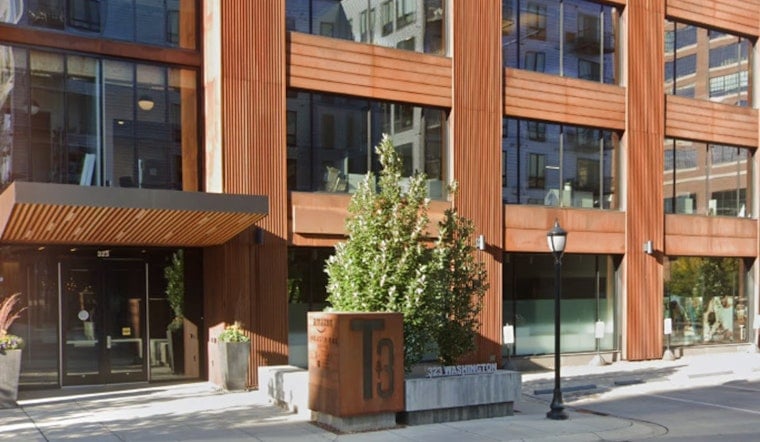
Industrious is zeroing in on St. Anthony Main for its next Twin Cities coworking outpost, lining up a riverfront space near the Stone Arch Bridge that is slated to open in December 2026. The new hub will sit within an easy stroll of downtown employers, restaurants and theaters, giving freelancers, small teams and hybrid workers another option for turnkey meeting rooms, private offices and day-use passes in one of Minneapolis’ most walkable pockets.
The expansion was first detailed by the Minneapolis/St. Paul Business Journal, which reports that Industrious is planning the St. Anthony Main location with a target opening in December 2026. Reporter Caitlin Anderson frames the deal as the company’s latest bet on neighborhoods that sit just outside the downtown core but still pull in steady daytime and evening crowds.
Industrious already has a foothold in the city, with listings for downtown and the North Loop on its Minneapolis roster. According to Industrious, the St. Anthony Main address would mark its third local site, slotting into a landscape that already features several well-known flexible office providers around Minneapolis.
Why St. Anthony Main?
St. Anthony Main’s cobblestoned riverfront has long doubled as a lunchtime escape and date-night backdrop, sitting directly beneath the city’s Stone Arch Bridge. The National Park Service highlights that bridge as a key connector on the St. Anthony Falls Heritage Trail and a major Mississippi River draw, and nearby cultural anchors such as the Guthrie Theater help keep foot traffic flowing throughout the day and into the evening.
Coworking's local momentum
Minneapolis office data paints a nuanced picture, with CBRE’s first-quarter numbers pointing to notable shifts in availability and vacancy across the market, while Cushman & Wakefield’s MarketBeat notes that demand is stabilizing for well-located, amenity-heavy space around the Twin Cities. At the same time, industry trackers say flexible office providers are still adding sites; CoworkingCafe has documented an uptick in active U.S. coworking locations in early 2026, a trend that helps explain why operators are planting flags in high-profile urban neighborhoods.
What this could mean
For building owners, signing a deal with an established operator such as Industrious can offer a faster way to bring energy and tenants into a property than waiting out a traditional, floor-by-floor lease-up. For workers, it adds another neighborhood-level option to plug into hybrid schedules without committing to a full-time downtown commute. Colliers’ micromarket research indicates that landlords and brokers are increasingly courting users that inject amenities and consistent foot traffic into older buildings, which can make a riverfront address especially appealing for flexible office concepts.
Key deal terms are still under wraps: the early reporting does not identify square footage, the landlord or financial details. Those pieces, along with membership offerings and pricing, are expected to come into focus as permitting and buildout move ahead. Local commercial real estate filings and future company announcements will likely supply the next round of updates for Minneapolis workers and brokers tracking this rollout.


