

























































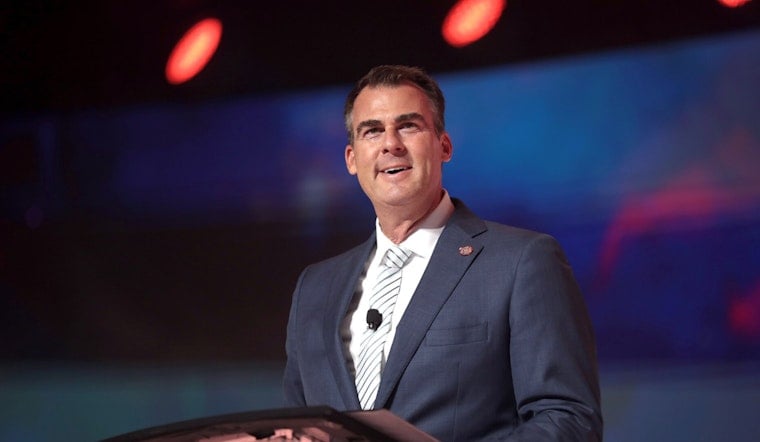
Gov. Kevin Stitt has signed House Bill 3700, a new law that tells Oklahoma’s public colleges and universities to keep grades tied to schoolwork, not students’ beliefs, politics or off-campus behavior. The May 5, 2026 signature orders campuses to adopt formal grading policies, lets the Oklahoma State Regents for Higher Education verify compliance and allows the state to cut off certain funds for schools that refuse to fall in line. The move lands just months after a high-profile grading fight at the University of Oklahoma that exploded into a statewide debate.
According to the enrolled bill text on the Oklahoma Legislature, HB 3700 requires each public institution to adopt policies "that require student grades be evaluated solely on an academic basis" and to submit verification to the State Regents for Higher Education. The same official record notes that the governor approved the measure on May 5, 2026, closing the loop on its path through the Capitol.
What HB 3700 Changes On Campus
Supporters say the law does not reinvent grading so much as nail down the basics: show up, learn the material, meet the standards and that is what should determine your score. Personal faith, political leanings or lawful conduct outside class, they argue, should not tilt the scale one way or the other. Rep. Chad Caldwell, the bill’s sponsor, said the idea emerged from a Free Speech Committee review and was in the works before the OU flare-up, adding, "Having a clear policy on this matter would better serve all parties." In other words, faculty get guardrails, students get clearer expectations and the state gets a paper trail.
From Campus Controversy To The Capitol
The timing is hard to ignore. The bill arrived on Stitt’s desk not long after University of Oklahoma junior Samantha Fulnecky was given a zero on a psychology response paper that cited the Bible, a grade that was later wiped out on appeal. The university said its review found the graduate teaching assistant’s grading to be "arbitrary" and that the instructor would no longer have instructional duties, according to AP.
Reporting by Inside Higher Ed and other outlets also traced the paper trail: written feedback that the assignment "did not answer the questions for this assignment" and leaned too heavily on personal ideology rather than course evidence. That case became a Rorschach test in Oklahoma politics, with some seeing it as overreach by an instructor and others as a clash between academic standards and student expression.
How Enforcement Will Work
Under HB 3700, campuses have until the 2026–27 academic year to put the new policy in place and send formal verification to the State Regents. The teeth are spelled out in black and white: institutions that do not comply can see state-appropriated funds withheld. Exactly how aggressively the Regents will wield that stick is an open question, and college lawyers are already reading the fine print. For now, the practical work sits with provosts and deans who have to translate statute into syllabi.
Campus Reaction And Next Steps
Faculty groups and campus leaders are urging the state and the Regents to be transparent about any investigations that follow, warning that politically charged enforcement could chill classroom discussion rather than protect it. The OU case coverage has already shown how quickly a grade dispute can jump from a Canvas comment to a statewide headline.
Administrators now face a nuts-and-bolts challenge: tighten grading rubrics so expectations are clear, train instructors on what counts as an academic basis and shore up appeal processes so decisions can be defended under the new statewide rule. Observers say the goal is fewer subjective surprises and more documented reasoning, even if that means a bump in formal grade appeals along the way.
Legal And Policy Implications
The law’s funding penalty could eventually invite a court fight if it is used as a hard-edged tool against a campus. Higher-education governance organizations have flagged similar state-level moves for close scrutiny, according to AGB. For now, the most immediate fallout is likely to be administrative rather than dramatic: cleaner grading standards, thicker files and more systematic reviews of complaints.
Even so, those seemingly bureaucratic shifts can ripple through shared governance. As Oklahoma’s public colleges adapt to HB 3700, faculty senates, regents and state officials will be testing how far the state can go in dictating the ground rules of the classroom without stepping on academic freedom or campus autonomy.


.jpg)