

























































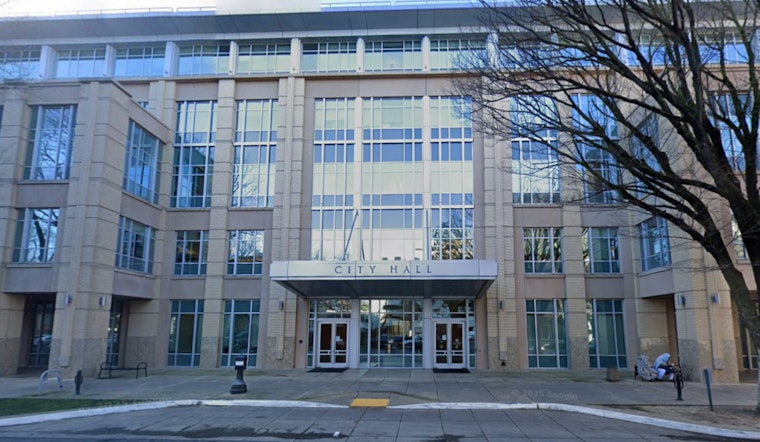
Sacramento's ambulance crews are spending too much time parked at hospital walls and not enough time racing to the next emergency, according to a new city audit that says the system is overdue for a tune-up.
The May 2026 review finds long hospital off-load "wall time," a heavy load of low-acuity 911 calls that often track with homelessness, and outdated EMS policies and credentialing that keep ambulances tied up when lower-cost options could handle some calls. Auditors say the fix is a set of concrete operational changes that free up units for life-threatening emergencies while tightening how the city tracks medical certifications.
What the audit found
The Office of the City Auditor's report lays out 11 recommendations and pushes the city to broaden how it handles medical calls, from nurse-triage phone lines and Mobile Integrated Health teams to contracting rideshare services for some non-emergency transports, according to the Office of the City Auditor.
The audit's cost analysis notes that a typical ambulance transport to the hospital, including about 83 minutes of wall time, can run roughly $208, while a standard city rideshare trip often comes in under $50. Auditors also flagged the department's training tracker, where they found 44 credentials listed as expired, and urged stronger certification oversight.
Response times and overnight gaps
On the clock, the report singles out turnout time performance - the stretch between the alarm sounding and the rig rolling. Crews are falling well short of the National Fire Protection Association's 60-second benchmark during overnight hours, CBS Sacramento reported.
City Auditor Farishta Ahrary told the station she will bring the findings to city leaders and then return in six months to see how many of the recommendations have moved from paper to practice.
Fire Department says it's already moving
Attached to the audit is a May 13 memorandum from the Sacramento Fire Department that walks through the recommendations line by line and repeatedly checks the "Agree" box or offers similar commitments, including plans for alternative response units and new technology for tracking EMS certifications, according to the Office of the City Auditor.
The memo also notes that the department's inaugural single-role EMS academy class will work 12-hour shifts, a schedule the auditor suggests could help tighten those sluggish turnout times.
What comes next
Turning the recommendations into faster responses will require coordination on several fronts: how calls are dispatched, how long ambulances can be stuck at hospitals, and how city policies line up with county rules. The Sacramento County EMS Agency sets the off-load and reporting framework that will shape any changes.
Agency guidance and the audit both point to Assembly Bill 40 reporting rules and local off-load time targets as key constraints the city must work within. Ahrary's planned six-month follow-up will test whether those limits can coexist with a leaner, quicker ambulance system that gets help to the most serious calls faster.





