

























































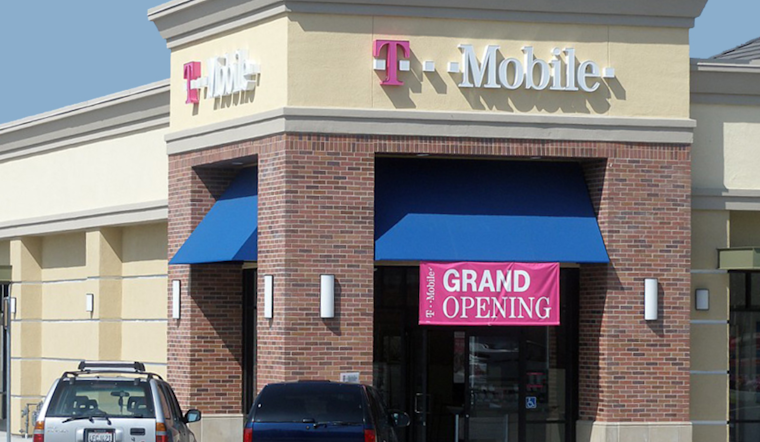
T-Mobile is putting roughly $2 billion on the table to juice Baltimore’s fiber future, taking a large stake in Greenlight Networks, the Rochester-based fiber provider that has already begun rolling out service in parts of the city. The late April deal is pitched as a way to speed construction and crank up competition against long-entrenched cable players. For many households, that could translate into earlier access to multi-gig speeds and new bundle options.
According to T-Mobile, the carrier has agreed to form a 50/50 joint venture with Oak Hill Capital to acquire and combine GoNetspeed and Greenlight Networks. T-Mobile expects to invest approximately $2.0 billion to acquire a 50% equity interest in that joint venture when it closes. The company says the transactions will expand its fiber footprint and add more than a million passings nationwide, describing the move as a capital-efficient strategy that pairs its retail scale with established fiber builders.
Industry coverage has noted that the combined GoNetspeed and Greenlight platform is expected to pass over 1.3 million households by the end of 2026, a size that would significantly enlarge T-Mobile’s T-Fiber footprint. As Light Reading reported, the Oak Hill joint venture is expected to close in the first half of 2027 and is one in a series of similar capital partnerships designed to scale fiber quickly.
Greenlight’s Baltimore build
Greenlight told city officials last year it planned roughly a $100 million expansion in Baltimore, with construction already underway in neighborhoods including Mt. Washington, Roland Park, Hampden and Belair-Edison. That June 2025 announcement from Greenlight Networks estimated the operator serves more than 225,000 homes and nearly 10,000 small businesses across the Northeast. Greenlight also indicated it plans to hire locally and is looking for a regional office within the city.
Local competition and customer impact
Local business reporting suggests the T-Mobile cash infusion could speed up Greenlight’s rollouts and finally give Baltimore customers a real alternative to traditional cable. As reported by the Baltimore Business Journal, Greenlight is one of only a few fiber providers in the area, and a deeper-pocketed partner could pressure incumbents on pricing, installation timelines and customer service.
T-Mobile has emphasized that these deals are structured as wholesale arrangements in which the fiber operators build and run the networks while T-Mobile sells retail service with “simple plans, transparent pricing and no annual service contracts,” the company said, a structure it has used in prior fiber joint ventures. Executives argue the model cuts capital intensity while using T-Mobile’s brand and distribution muscle to drive subscriber growth.
The transactions are still subject to customary closing conditions and regulatory approvals, and analysts warn that timelines could shift as permitting and integration play out. Coverage of the announcement by Investing.com (reporting the Reuters dispatch) noted that T-Mobile also plans a separate joint venture with Wren House to acquire i3 Broadband for roughly $700 million. Observers say the real test for Baltimore will be how quickly crews show up on local blocks and how soon individual neighborhoods see service go live.
For now, Greenlight says construction in Baltimore is ongoing and that thousands of homes in the city could be connected as it scales its build-out. Local officials and business outlets are expected to keep an eye on permitting, job creation and neighborhood rollouts for early signs of impact, and local outlets plan to continue reporting as the deal moves toward closing.





