

























































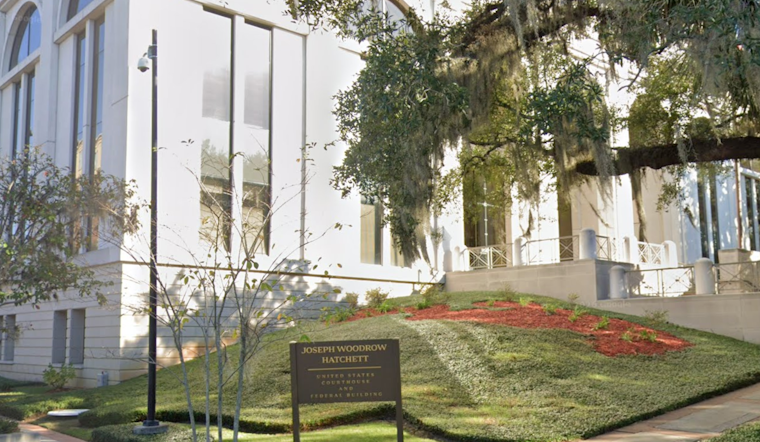
A federal judge in Tallahassee on Tuesday handed a sharp reprimand to a Florida Fish and Wildlife Conservation Commission supervisor, sanctioning her for submitting and defending false assertions in court tied to the firing of a state biologist over a Charlie Kirk-related social media repost. U.S. District Judge Mark E. Walker struck parts of the supervisor’s sworn statement and ordered that she and her former lawyers cover attorneys’ fees linked to the sanctions motion. The ruling drops a new legal obstacle in front of the agency as the underlying First Amendment lawsuit heads toward trial.
Walker adopted a magistrate judge’s report and recommendation and struck paragraphs 4 and 5 from Division Director Melissa Tucker’s October 28, 2025, declaration, finding those statements materially false. He awarded fees under 28 U.S.C. § 1927 and the court’s inherent authority, with the order directing that the fees be split between Tucker and her prior counsel and assessed at the end of the case, according to Justia Dockets & Filings.
Brown’s firing traces back to September, when she reposted a private Instagram story from a parody account after Kirk’s killing. Conservative accounts seized on a screenshot of the repost, amplified it online, and demanded that she be fired. FWC dismissed her the next day, as reported by WUSF. Brown, who had spent more than seven years at FWC studying shorebirds and seabirds, sued the agency in federal court, arguing that her termination was retaliation for protected speech. A judge previously allowed key portions of her First Amendment claim to go forward while tossing some of her monetary claims.
In a press release, the ACLU of Florida, which represents Brown, said discovery showed that the agency’s assertions that Brown’s repost led to “hundreds” of complaints and operational disruption were not supported by the evidence. The group called the court’s order “a timely and significant rebuke” and added that “no one is above the law,” urging stronger protections for public employees’ speech rights, according to ACLU of Florida.
Legal implications
The sanction itself is narrow: Judge Walker removed the disputed paragraphs from Tucker’s sworn declaration. Even so, the order sends a pointed message that agency officials and their lawyers can face personal exposure for fees if they press factual claims in court that turn out to be clearly false. Federal law allows judges to assess fees against attorneys who “unreasonably and vexatiously” multiply proceedings, and Walker cited that standard in granting fees; see the statutory framework in U.S. Code covering 28 U.S.C. § 1927.
What’s next
The case is still set for trial the week of June 15, with a jury trial scheduled to begin on June 15, 2026, and a pretrial conference on May 19, according to the court docket. The current schedule appears on Justia Dockets & Filings. Brown’s attorneys have filed motions for summary judgment and continue to seek her reinstatement, while FWC maintains that firing her was necessary to protect the agency’s credibility.




