

























































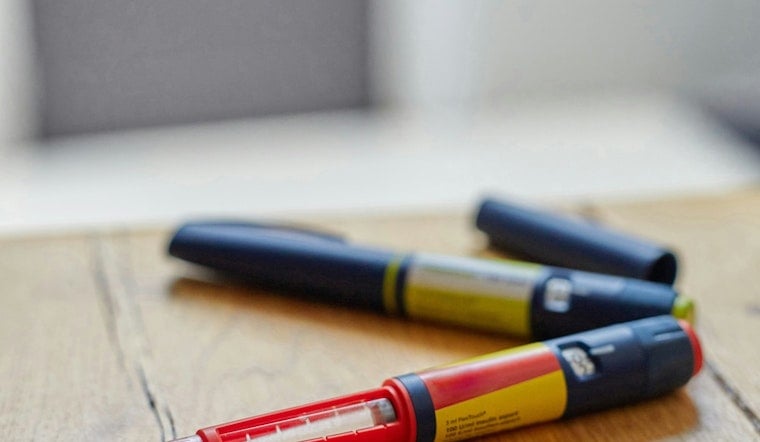
North Carolina Attorney General Jeff Jackson says the state has pried $11 million out of EpiPen maker Mylan, ending a yearslong fight over what prosecutors describe as inflated prices for the life‑saving auto‑injector. Announcing the deal Thursday, Jackson said the settlement resolves claims that Mylan used anti‑competitive tactics to shut out cheaper rivals, driving up costs for both state health programs and families. State officials cast the outcome as part refund for taxpayers, part attempt to chip away at the sky‑high bills faced by people who need epinephrine in an emergency.
How the money will be used
According to WECT, about $8.4 million of the $11 million will flow back into state health programs, split between the State Health Plan and Medicaid, with the rest earmarked for other state recoveries. WRAL reports that roughly $4.2 million of that will land in the State Health Plan, a pot Treasurer Brad Briner said should help soften the blow of potential premium hikes for public employees.
The agreement also requires Mylan to bump its generic EpiPen copay coupon from $25 to $40. Jackson highlighted that change as one of the few pieces of this deal ordinary families might actually feel at the pharmacy counter.
Why prosecutors sued
State prosecutors accused Mylan of gaming the EpiPen market on multiple fronts. They say the company paid pharmacy benefit managers to steer customers toward the brand‑name product, pushed patients and insurers into buying two‑packs instead of single pens, and misclassified EpiPen under Medicaid rebate rules to shrink the rebates it owed to state programs.
The U.S. Department of Justice previously resolved related false‑claims allegations with Mylan in 2016, and North Carolina joined a 2017 multistate recovery that returned $21.4 million to the state, according to the North Carolina Department of Justice. Officials say those earlier cases produced the paper trail and financial records Jackson's team leaned on to build the latest complaint.
Part of a wider push
North Carolina's deal is one piece of a much larger legal pileup over EpiPen pricing that has stretched across federal courts and state attorneys general offices. Some of those fights have turned into big class‑action payouts, while others, like this one, have focused on targeted state recoveries.
Reporting by KFF Health News details a separate $264 million antitrust settlement that centered on allegations Mylan delayed generic competition. Other states have quietly secured smaller checks and incremental policy changes. Legal analysts say the steady drumbeat of federal probes, multidistrict litigation and coordinated state actions is pushing drug makers toward a mix of cash payouts and rule changes that could reshape how niche, high‑stakes medicines are priced.
Officials and clinicians weigh in
"They used their control of the market to keep competitors out and drive the price up," Jackson said at the announcement, according to WECT. He framed the case as a warning shot to other drug makers tempted to lean too hard on monopoly power.
Treasurer Briner, speaking alongside Jackson, said the recovery will help state employees and their families, noting his own experience as a parent who carries an EpiPen, WRAL reports. Emergency physicians quoted by local outlets said the high price of epinephrine can make families put off refills, stretch expiration dates or gamble on going without a spare pen, all of which can turn a bad allergic reaction into a crisis. Even a relatively small boost in copay help, they added, could nudge some households back into safer territory.
Legal implications
The case hinges on state antitrust and consumer‑protection laws, along with alleged violations of Medicaid rebate statutes, according to legal experts. The Department of Justice's 2016 settlement over Mylan's rebate reporting has effectively served as a legal blueprint that state attorneys general, including in North Carolina, have drawn from in their own filings, the North Carolina Department of Justice said.
If the coupon requirements and other restrictions baked into these settlements actually stick, analysts say they could clear more space in the market for lower‑cost competitors and give patients a bit more leverage the next time a must‑have drug suddenly spikes in price.
The settlement does not unwind a decade of EpiPen price hikes. Still, officials argue that steering recovery money back into health plans and expanding copay assistance should, at least at the margins, ease the financial strain on North Carolinians who rely on epinephrine injectors to stay safe.





