

























































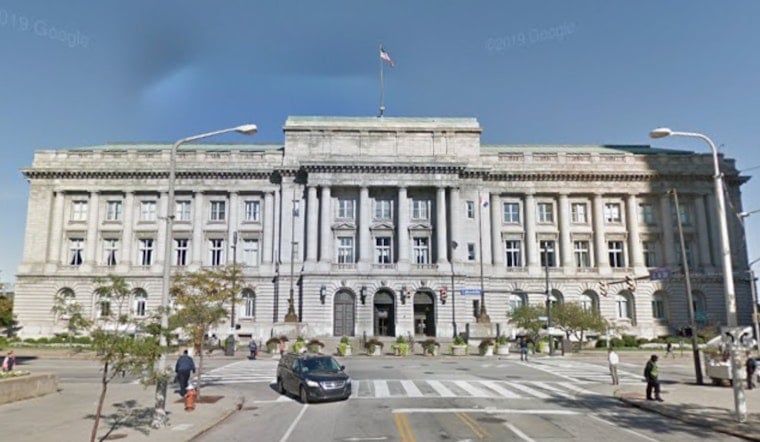
Cleveland City Hall now has its own soundproof booth, bought with taxpayer money, and the purchase is drawing side-eye from residents who are just learning about it. A Fox 8 I‑Team investigation, published May 4, found that the city used public funds to install the enclosed unit inside the downtown building, which the station describes as a private workspace.
According to the Fox 8 I‑Team report, the booth is set up as a closed, soundproof workspace rather than a public meeting room. That setup is fueling questions about how the space fits into a public building where taxpayers generally expect their dollars to support services and open, accessible areas, not secluded office pods.
How much do booths cost and what are they used for?
Small, single‑person privacy booths like the one described in the investigation typically run into the thousands of dollars. Manufacturer WhisperRoom lists a comparable "Work From Home Booth" with a base price around $7,600 and markets these units for private calls, podcasting, and focused work. That kind of price tag helps explain why residents and watchdogs want clear documentation on who approved the purchase and which budget funded it.
What officials should clarify
The questions that need answers are not complicated: who signed off on the order, what budget line covered the cost, and how often the booth is used and by whom. City Council oversight or public‑records requests could surface the procurement paperwork and approval trail that would show whether the purchase fits city policy and priorities.
Without that transparency, the optics of a closed, soundproof workspace paid for with tax dollars will remain a valid concern for people who fund City Hall. The Fox 8 I‑Team has laid out the basic facts. Now it is on local leaders to close the loop by releasing invoices and sign‑off records so residents can judge for themselves whether the booth serves a clear public purpose.
This story will be updated if additional documents or official statements are released.





