

























































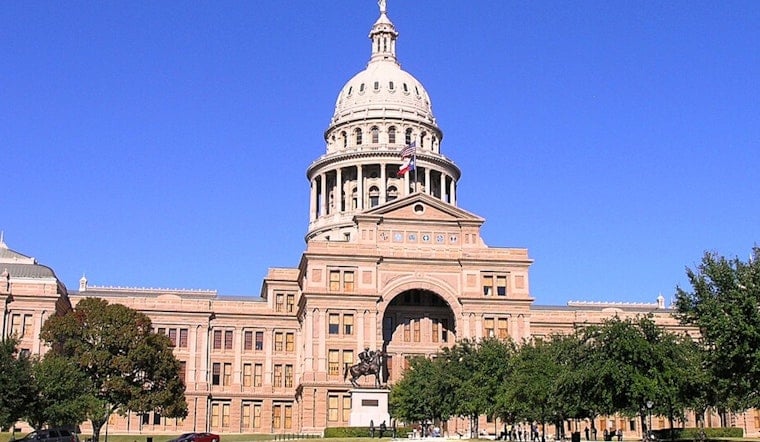
At the Texas Capitol on Thursday, lawmakers and legal heavyweights crowded into a House hearing room to duke it out over the Texas Regulatory Consistency Act, better known to critics as the "Death Star" law. Backers insisted the 2023 statute is bringing order to a patchwork of local rules across the state, while opponents said it has put a deep freeze on city policymaking and sparked a flurry of lawsuits. If anyone hoped the state-versus-city turf war that heated up in 2023 had cooled off, this hearing suggested otherwise.
What lawmakers heard in Austin
According to The Texas Tribune, members of the House Joint Committee on Government Oversight spent the day drilling into how HB 2127, the 2023 Texas Regulatory Consistency Act, is working in practice and whether cities have actually rolled back ordinances that clash with state law. Conservative policy advocates, attorneys for municipalities, and legislators all weighed in as the panel explored whether the statute needs sharper enforcement tools or clearer guidance.
Supporters press for stronger enforcement
James Quintero, policy director of the Texas Public Policy Foundation’s Taxpayer Protection Project, told lawmakers his outreach suggests "the vast majority of cities and counties appear to be ignoring the law," and he urged them to look at new ways to force compliance. In written remarks, Quintero proposed a central database to track ordinance changes and other transparency steps to show how local governments are responding to HB 2127, according to Texas Public Policy Foundation testimony.
Municipal lawyers warn of a chilling effect
Attorneys for cities pushed back, arguing that the law’s broad reach has made local officials nervous about passing new rules at all and has already prompted some city councils to scale back or rewrite existing ordinances to avoid costly court fights. Bill Longley, general counsel for the Texas Municipal League, told the committee that some municipalities have already revised towing and other regulations and are scrutinizing proposals more intensely to steer clear of litigation. The Texas Tribune reported that city officials said this uncertainty is actively reshaping how local governments operate.
Lawsuits are already testing the law
The courtroom is now joining the policy fight. In October 2025, the Texas Public Policy Foundation filed suit against the city of Dallas, seeking to wipe out about 83 ordinances it argues conflict with the Texas Regulatory Consistency Act, including local living-wage requirements and anti-discrimination measures. KERA reported that the lawsuit claims those city rules overstep municipal authority and unfairly burden taxpayers. How judges rule in cases like this will go a long way toward defining the law’s real-world boundaries.
How liability and preemption intersect
The clash over preemption is unfolding alongside a separate, long-standing framework that decides when governments can be hauled into court. The Texas Tort Claims Act, found in Chapter 101 of the Civil Practice and Remedies Code and first passed in 1969, waives sovereign immunity only in specific situations, such as negligence involving motor vehicles, dangerous conditions on government property, or injuries tied to the use of tangible personal property, according to the state code. Even as cities sort out which ordinances survive HB 2127, the Tort Claims Act continues to frame how they approach safety issues and liability risk.
What's next
Lawmakers on the committee tossed around potential tweaks, including requiring cities to audit their ordinances for conflicts, giving the attorney general power to sue municipalities that do not comply, and speeding up appeals so courts can deliver definitive answers more quickly. Legislators said the testimony and documents from this hearing will help guide any proposals they bring to the 2027 legislative session, according to reporting by KXAN Austin. In other words, expect fresh bill drafts, more political sparring, and ongoing battles over who ultimately gets the last word on local rules in Texas.





