

























































Baltimore logged 40 homicides in May, a 23.1% drop from the 52 killings recorded in May 2025, city officials said Monday, marking the latest monthly checkpoint in a multiyear decline in violent crime. The mayor’s office said the dip in killings came alongside modest declines in several categories of property crime, while nonfatal shootings stayed almost flat. City leaders cast the numbers as more proof that a mix of enforcement, prosecution, and community work is starting to stick.
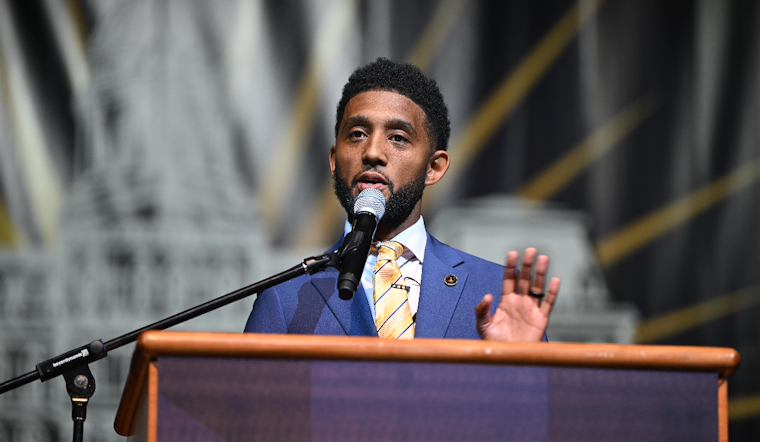
In a statement reported by WBAL, Mayor Brandon Scott said, "We continue to see historic public safety progress by Baltimore, for Baltimore," crediting the Baltimore Police Department, the Office of the Attorney General, the Mayor’s Office of Neighborhood Safety and Engagement, the State’s Attorney’s Office, and city residents for the trend. According to the mayor’s office, the month-to-month counts and the comparative percentages in the statement were based on data current as of May 30.
City officials reported that carjackings were down 45%, auto thefts down 7%, robberies down 14%, and burglaries down 16% compared with this time last year, and put nonfatal shootings at 120 in May 2026 versus 121 in May 2025. Those figures, the mayor’s office said, sit within a broader pattern of fewer homicides across the city and form the backbone of the administration’s latest update. As reported by WBAL, officials highlighted both the raw data and the ongoing program work they believe is driving the shift.
What Officials Say Is Driving The Decline
City leaders continue to spotlight the Group Violence Reduction Strategy, known as GVRS, along with expanded community-based interventions, as key to the latest figures. As outlined by Baltimore City, the administration has tied the multiyear declines to coordinated enforcement, focused prosecutions, and wraparound services offered to people at the highest risk. That release noted that 2025 brought the fewest homicides in nearly 50 years, a milestone that City Hall now treats as the baseline it is trying to maintain and beat.
Community Reaction And Cautions
Community advocates have largely welcomed the latest numbers, but they are not exactly declaring victory. Many are calling for continued investment in prevention, trauma care, and youth programs, and they warn that a strong month can hide uneven trends from one police district to the next. As noted in coverage of the city’s murder 'miracle', reporters and neighborhood groups have stressed that declines in homicides do not always move in lockstep with nonfatal shootings or with clearance rates. Families of survivors and neighborhood organizations told local outlets they want clear information on how staffing and funding will be used to keep the progress from slipping.
What’s Next For The City's Strategy
City officials say they plan to keep scaling up GVRS while chasing additional resources. Federal funding to grow community-based violence reduction efforts was reported earlier this month, and the city has outlined plans to extend GVRS to more police districts. As reported by WYPR, those federal dollars are intended to bolster violence interruption work. Local coverage, including reporting by CBS Baltimore, has followed how GVRS teams, prosecutors, and service providers coordinate both accountability measures and support services.
City leaders are pitching the May homicide tally as a meaningful benchmark rather than a finish line in Baltimore’s long fight against gun violence. Community leaders say they will be watching closely to see whether the gains hold through the summer, a stretch of the year that has historically tested the city’s violence reduction strategies.





.jpg)