

























































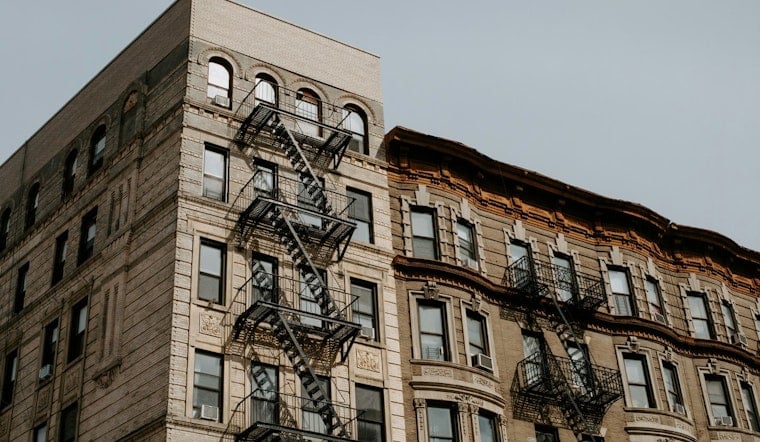
New York City is putting a cool $1 billion on the table to keep some of its most vulnerable residents from losing their homes while aging supportive-housing buildings get long overdue facelifts.
City officials on Tuesday announced the new Supportive Preservation Program, a fund designed to steady the finances of existing supportive rental buildings and keep tenants in place while owners tackle repairs and refinancing. The rollout took place at Park Avenue Thorpe in the Bronx, a decades-old supportive residence that officials held up as a textbook example of the kind of property this money is meant to save.
As reported by The Real Deal, the Department of Housing Preservation and Development plans to use the $1 billion Supportive Preservation Program to preserve more than 30,000 supportive affordable rental units spread across all five boroughs. According to the outlet, the money is aimed at shoring up basic building infrastructure and coaxing conventional lenders to finance repairs through updated term sheets and new incentives.
How the Supportive Preservation Program Will Work
HPD’s preservation materials describe the Supportive Preservation Program as a tool to promote the long-term financial and physical stability of supportive-housing projects, with tailored term sheets for buildings that have active social-services contracts. HPD notes that its existing preservation toolkit already offers loan programs and tax-exemption options meant to close financing gaps for rehabilitation work. The new Supportive Preservation Program term sheet is intended to make recapitalizations and energy or infrastructure upgrades easier for owners and nonprofit sponsors to pull off.
Bronx Building Shows the Need
At the Bronx announcement, Nazareth Housing executive director Rachel Levine did not sugarcoat the condition of Park Avenue Thorpe or the price tag for fixing it. “The amount of work that needs to be done here is several million dollars,” she said.
The Real Deal reported that HPD used the residence at 406 East 184th Street as a sample project when describing the façade, roof and heating-system upgrades the new fund is supposed to cover. Nazareth Housing lists the Thorpe residence among its supportive-housing sites.
Where It Fits in the Mayor’s Housing Agenda
Mayor Zohran Mamdani’s “Block by Block” housing blueprint set some very large targets, pledging to build 200,000 new affordable homes and preserve another 200,000 over the next decade, and folded supportive-housing stabilization into that broader package. The mayor’s plan and executive budget increased city commitments for preservation tools that blend capital funding with operating stability so existing affordable units can stay in circulation.
The Supportive Preservation Program is the latest in a string of efforts to turn those budget priorities into financing options that are specifically tailored to service-rich buildings. The broader context and funding commitments behind the move are laid out on NYC.gov.
Financing Tools and Eligibility
HPD’s preservation page catalogs a menu of programs and term sheets available to owners and nonprofit sponsors, including low-interest loans, Participation Loan options and long-duration tax exemptions that support substantial rehabilitation work. The Supportive Preservation Program joins those offerings and will roll out with a formal term sheet that explains eligibility criteria, underwriting standards and environmental review requirements.
HPD says projects will still have to go through the usual due diligence, integrity reviews and compliance checks before any financing can close, according to HPD.
Why Preserving Supportive Homes Matters
City officials and supportive-housing providers say these upgrades and recapitalizations are about much more than swapping out old boilers. Energy-efficient heating systems, better windows and sound roofs can pull operating costs down and give nonprofit operators a little breathing room to hire maintenance workers and case managers.
Preserving existing supportive homes is often faster and cheaper than building new ones from scratch, since these properties already house the on-site services that help tenants stay stable. Whether the $1 billion infusion can actually chip away at decades of deferred repairs and prevent units from sitting vacant will depend on how quickly HPD releases term sheets and underwriting guidance, and how well public and private financing lines up with the day-to-day needs of on-site services. Preservation and efficiency are highlighted as core strategies on NYC.gov.
HPD says the Supportive Preservation Program term sheet and application guidance will arrive in the coming weeks. Nonprofit providers, lenders and housing advocates will be watching closely to see whether the program moves quickly enough to keep buildings from sliding into deeper disrepair. For now, the new fund is a real-time test of whether targeted preservation finance can keep supportive homes open while the city chases its broader housing and homelessness goals.



