

























































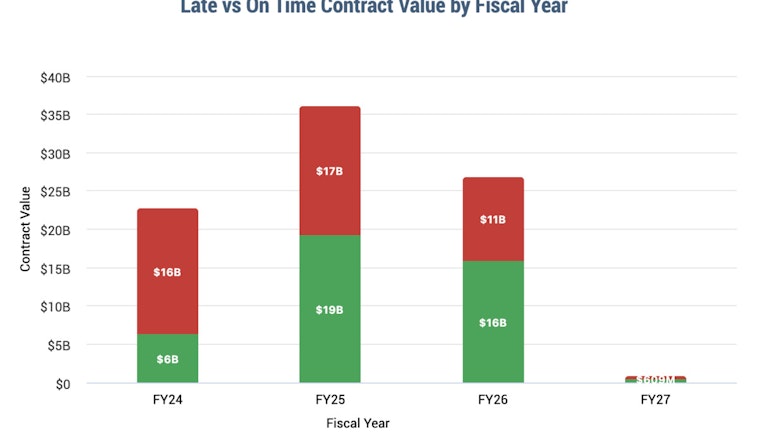
For New York City nonprofits and small vendors that already live close to the financial edge, late city contracts are not just a headache, they are a cash-flow crisis. On July 8, 2026, the New York City Comptroller’s office tried to drag that problem squarely into public view, rolling out a new Late Contracts Dashboard on CheckbookNYC to show which city agreements are being registered late and why so many providers wait months or even years to get paid.
The interactive tracker is designed to display the contract registration timeline in real time, so agencies, lawmakers and service providers can see exactly where the process slows down. For organizations that run on thin margins, those late registrations can mean taking out loans, struggling to make payroll or cutting back services that New Yorkers rely on.
Nonprofits and businesses doing work for the city are left waiting to get paid for months or even years. Today, the NYC Comptroller’s Office launched the first-ever Late Contracts Dashboard, a new tool that tracks contract registration delays, one of the biggest factors… pic.twitter.com/lzgrwmtc0V
— Office of New York City Comptroller Mark Levine (@NYCComptroller) July 8, 2026
The Office of the New York City Comptroller announced the tool on X, linking to the new Late Contracts Dashboard on Checkbook NYC. According to the post, the dashboard tracks contract registration delays, which the Comptroller’s team describes as one of the biggest drivers of late payments to city contractors and nonprofit providers.
Comptroller’s Office Lays Out the Delays
A report by the Office of the New York City Comptroller details just how slow the system has become. Agencies submitted more than four out of every five contracts to the Comptroller after a “true submission” deadline, and roughly 20 percent of registered actions were submitted at least six months late. The analysis notes that these retroactive registrations put enormous financial strain on vendors and nonprofit service providers that often begin work without a finalized contract in place.
Why Nonprofits Say It Hits Them Hardest
Nonprofits and human service providers say those registration delays force them to front operating costs or take on debt while they wait for city payments that may not arrive for months. A Nonprofit Finance Fund survey found that 32% of NYC nonprofits were paid more than 90 days late, and many reported borrowing, pausing services or dipping into reserves to stay afloat. City Council hearings and proposed legislation have zeroed in on those harms and pushed for faster payments and tighter oversight of the procurement pipeline.
What the Dashboard Actually Shows
The Checkbook tool maps contract registration milestones and flags agreements that miss the Comptroller’s “true submission” deadline. Users can filter by agency, contract type and industry to see where the worst bottlenecks are. Advocates argue that putting this kind of real-time data in public view should help oversight bodies and procurement staff focus on the agencies and processes that cause the longest delays, and then track whether any fixes are actually working.
Next Steps for City Hall and Watchdogs
The Comptroller’s office says it will maintain the dashboard and update its data regularly, while the mayor’s office and City Council continue to test policy solutions. Mayor Adams has pledged larger upfront advances to nonprofits in FY2026, and the City Council has advanced bills that would require corrective action plans and other reforms aimed at speeding up contract registration and payments.
The dashboard is publicly available on Checkbook NYC, and providers, watchdogs and lawmakers will be watching closely to see whether this new transparency helps shrink the backlog of late registrations and move money more quickly to the organizations that keep city services running.




