

























































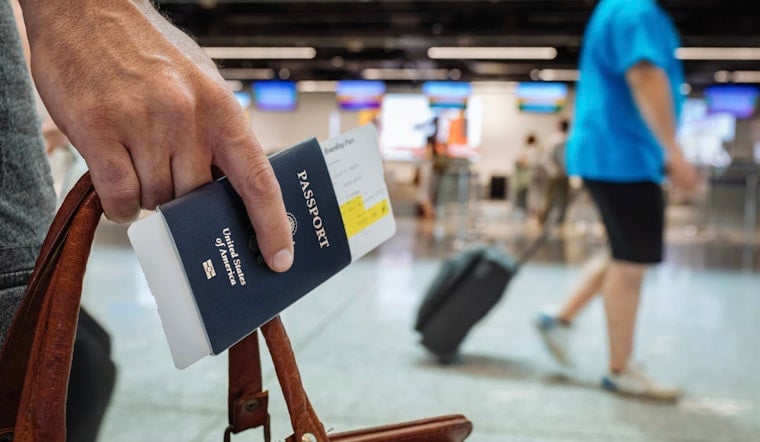
An expired passport can turn an international flight into an expensive airport U-turn, especially for travelers headed through Miami, Orlando, New York or Houston. Airlines may refuse boarding when a passport fails the destination’s validity rules, putting the six-month requirement back on summer travelers’ radar. The catch is that this is not a brand-new ban aimed at those four airports, but a reminder that document checks happen before wheels-up.
A report published Tuesday by Cronista US highlighted the risk for passengers traveling through some of the busiest international gateways in the country. Travelers may be denied boarding if their passport is expired, damaged, missing required validity beyond the trip, or paired with outdated visas and permits.
The U.S. Department of State says some foreign destinations require a passport to remain valid for at least six months beyond the dates of travel, and some airlines will not allow passengers to board when that requirement is not met. Adult U.S. passports are generally valid for 10 years, while passports issued to children under 16 last five years and cannot be renewed.
The Six-Month Rule Depends On The Destination
For foreign visitors traveling to the United States, U.S. Customs and Border Protection says the general rule is that a passport must remain valid for six months beyond the traveler’s planned departure from the country. Nationals of countries covered by six-month agreements may only need a passport valid for the length of their intended stay.
That distinction is why two passengers on the same flight can face different document requirements. A valid passport may still be insufficient if the traveler needs a visa, electronic travel authorization, residence permit or other document required by the destination.
Federal Law Requires Valid Passports For International Travel
Federal law separately requires U.S. citizens generally to carry a valid U.S. passport when entering or leaving the country, subject to specified exceptions. The rule appears in 8 U.S.C. § 1185, which is one reason airlines verify international travel documents before allowing passengers onto a flight.
Domestic travel is different. The Transportation Security Administration lists REAL ID-compliant licenses, passport books, passport cards and other documents as acceptable identification, and says it currently accepts expired identification for up to two years for the listed forms. That checkpoint policy does not make an expired passport valid for crossing an international border.
Travelers who discover a problem should check the entry rules for every country on the itinerary and confirm requirements with the airline before leaving home. The State Department currently lists routine passport processing at four to six weeks and expedited processing at two to three weeks, excluding mailing time; travelers with international trips within 14 calendar days may qualify for an appointment at a passport agency.



