

























































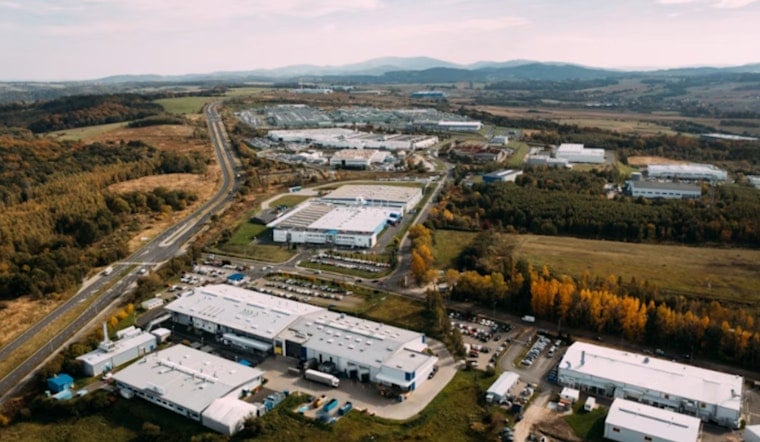
Dallas-based Bleecker Partners just made a big bet on Houston’s industrial backbone, scooping up an 880,000-square-foot portfolio of warehouses and business parks wrapped around the Interstate 610 loop. The off-market deal includes 28 buildings ranging from business parks to manufacturing facilities and last-mile distribution centers. The buyer says it is Houston’s largest Class-B industrial transaction so far this year, and it significantly beefs up Bleecker’s local footprint. The seller, an established Houston family with generational ties to the properties, was represented by Eastdil Secured.
Deal details
According to Bisnow, the portfolio totals roughly 880,000 square feet across 28 buildings in northwest, southeast and west Houston and was marketed via a press release. The assemblage combines small-bay business parks with heavier manufacturing and last-mile distribution facilities, all clustered along the I-610 loop in infill locations that are already tight on available space.
Bleecker's strategy
Bleecker Partners, which lists offices in both Dallas and Houston on its website, focuses on urban-infill industrial properties that can be upgraded for modern logistics and service users. The firm has been expanding across Texas in recent years as it builds a portfolio of infill warehouses and service-oriented industrial assets, according to Bleecker Partners.
Why Houston
Houston continues to churn out industrial construction. Cushman & Wakefield reports more than 24.3 million square feet under construction in Q1 2026, activity that keeps pressure on vacancy and rents in key infill pockets, including those near the 610 loop. Market research also points to nearshoring, energy-sector supply-chain demand and the rise of third-party logistics providers as durable tailwinds for Texas industrial markets, per Partners Real Estate.
Bleecker's Texas roll-up
The Houston buy follows a run of Texas deals for Bleecker. Last year, the firm acquired a roughly 1.3 million-square-foot infill logistics portfolio in Dallas, reinforcing a clear strategy of scaling across the state, Bisnow reported. Taken together, these acquisitions suggest Bleecker is leaning into a playbook centered on densified, serviceable industrial sites that cater to fast-turn distribution and neighborhood-scale manufacturing.
On the ground in Houston, the deal could speed up upgrades and leasing in the I-610 infill corridor as owners work to reposition older industrial stock for modern 3PL and manufacturing requirements. Brokers and small-bay tenants will be watching how Bleecker handles lease-ups and capital projects in the coming months, since those repositioning efforts often reshape tenant mixes and push rents in already tight submarkets.




