

























































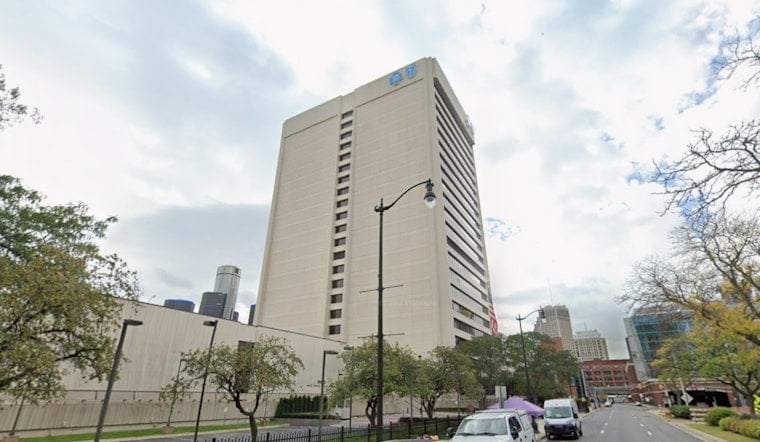
Detroit-area psychiatric clinics say a new Blue Cross Blue Shield of Michigan billing rule could choke off access to routine mental health care by shifting everyday follow-up visits away from nurse practitioners and onto psychiatrists. Practices that already lean on nonphysician clinicians warn that the change will lengthen waitlists, send more patients to emergency departments and destabilize small outpatient clinics just as demand for care remains high. Providers and professional groups across Michigan are scrambling to decode a phased rollout and brace for changes that hit this fall and next spring.
What Blue Cross Is Changing
BCBSM and its Blue Care Network are rolling out a two-step change to incident-to billing that starts Sept. 1, 2026, and requires clinicians who are eligible for direct participation to bill under their own National Provider Identifier beginning March 1, 2027, according to the Michigan State Medical Society. During the transition, Blue Cross will require incident-to claims to include an SA modifier and will exclude those visits from value-based reimbursement. After March 1, incident-to claims submitted by providers who are eligible to enroll will be reimbursed at 80% and will still be ineligible for value-based incentives. According to MSMS, the insurer says the policy is meant to increase transparency about who actually rendered services and to align payment with licensure and participation status.
Clinics Say Patients Will Be Bumped Up The Chain
Local behavioral health offices told reporters the new rules will effectively push more follow-up visits onto psychiatrists, a group that is already in short supply, which they say could slow access for both new and returning patients. Emily Williams, chief operating officer at Serenity Bay Health, said the practice depends on nurse practitioners to manage ongoing medication follow-ups and that clinics are going to be forced to transfer care from nurse practitioners to psychiatrists, according to ClickOnDetroit. Blue Cross told the station that the change requires providers to file claims under their own NPI so clinicians can participate more directly in value-based programs.
Why This Could Matter In Michigan
Outpatient practices often rely heavily on supervised or limited-license clinicians to keep up with demand. In one counseling center cited by analysts, 42% of clients were seen by limited-license counselors and Blue Cross accounted for more than half of revenue, a combination that could put both clinic income and patient access at risk, according to CounselingPsychology.org. Experts say restricting incident-to billing in private offices cuts off an affordable training pipeline and may reduce appointment availability across the state, with smaller independent practices likely to feel the squeeze first. The change leaves incident-to billing in place for facility-based settings such as psychiatric hospitals and community mental health centers, but converting a private office into a qualifying facility is costly and complicated for most clinics.
How Practices Are Responding
Billing advisers and industry firms are urging practices to take a hard look at their BCBSM payer mix, enroll eligible clinicians directly with Blue Cross and add the SA modifier during the Sept. 1 through Feb. 28 transition window so claims are not rejected or underpaid. Firms have circulated step-by-step guidance to help clinics update electronic health record templates, claims workflows and PGIP participation so they do not lose incentive payments, and state medical and billing groups are rolling out templates and FAQs to walk practices through enrollment. For many offices the choice is shaping up as an operational fork in the road: panel more clinicians, restructure as a facility or accept lower reimbursement for certain visits as the policy comes online, according to Yeo & Yeo.
Pushback And Next Steps
Professional associations have started to tally the fallout and press BCBSM for clarity. The National Association of Social Workers - Michigan and the Michigan Mental Health Counselors Association are urging members to submit real-world examples and respond to surveys. NASW - Michigan posted an alert and called for public action in June, and MSMS is gathering practice feedback to take into discussions with the insurer, according to NASW-Michigan and MSMS. Lawmakers and regulators are tracking the rollout as health care groups weigh whether to push for changes to the timeline or carve-outs for training settings.
Billing Risks And What Patients Should Know
Coding experts warn that misapplied incident-to claims can trigger denials, audits or repayment demands, and that practices that do not update enrollment and claims submission face reduced payments and lost incentive dollars, the American Academy of Family Physicians and coding advisers note. The AAFP recommends tight documentation and immediate enrollment for eligible practitioners, while coding specialists urge clinics to match claims precisely to the person who delivered care in order to avoid audit exposure. BCBSM says the policy is intended to strengthen transparency and quality measurement, but clinics say the real test will be whether patients can still see a provider quickly without higher out-of-pocket costs, according to AAFP.
For now, Michigan patients and clinicians will want to keep an eye on the Sept. 1, 2026, modifier enforcement date and the March 1, 2027, direct-billing deadline. Practices that lean on incident-to models are likely to feel the effects first. Providers with BCBSM concerns can review the insurer's materials, contact their payer relations representative and share operational impacts with state societies as the rollout moves ahead.





