

























































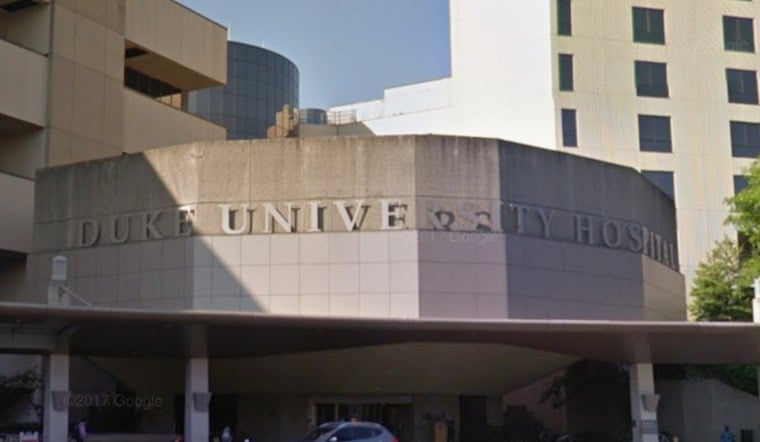
Inside Duke University Hospital’s emergency department, the clock starts ticking the second a gunshot victim rolls through the doors. Doctors say those first minutes can decide whether a patient lives or dies, as nurses, techs and trauma surgeons snap into a finely tuned routine that moves patients from triage to the operating room at breakneck speed. Lately, they add, some shifts bring not just one gunshot victim, but several.
The strain does not end in the trauma bay. The same clinicians helping patients survive their injuries are also stepping into local neighborhoods, working on prevention programs meant to keep those bullets from flying in the first place.
What the numbers show
Durham police reported a modest rise in violent crime in the first quarter of 2026, a 4.6 percent increase, and counted 13 homicides in that period, up from 9 in the same span in 2023, according to ABC11. Over the same stretch, property crimes went down, the department’s quarterly report shows. Doctors and community leaders say those topline stats do not capture what it feels like when multiple shootings land in the same neighborhood, or in the same emergency room, within hours.
What it looks like in the trauma bay
“We have nurses, techs, trauma surgeons. The whole surgery team comes down as well,” Dr. John Purakal, an emergency physician at Duke, told ABC11. He said the opening moments after a gunshot victim arrives are often the line between life and death, and that it is increasingly common for a single shift to involve more than one patient wounded by gunfire.
The Durham Impact Project
Launched in 2025, the Durham Impact Project links Duke Orthopaedics with city partners and local barbershops in an effort to reach young people at higher risk before they ever see an operating room. The initiative, led by Dr. Malcolm DeBaun and seeded with support from Johnson & Johnson MedTech, was outlined in a Duke Health announcement and aims to go beyond surgery by pairing at-risk residents with mentors and community resources and by building trust in everyday neighborhood spaces.
Hospital-based intervention and the bigger picture
Duke University Hospital is a Level 1 trauma center that handles complex injuries, including gunshot wounds, and serves as a regional hub for severe trauma cases, according to Duke Health. Reporting in the North Carolina Medical Journal notes that Duke’s trauma registry has logged hundreds of gunshot victims in recent years, figures that helped spur the hospital’s Violence Recovery Program, launched in September 2022. The program offers intensive case management, mental health services and other wraparound support intended to reduce the risk that survivors will be injured again.
Clinicians and program leaders say that turning the tide on shootings will take long term funding, steady community engagement and patience. In the meantime, emergency teams keep sharpening a fast, choreographed response that, as they tell it, is often the difference when every minute counts.



