

























































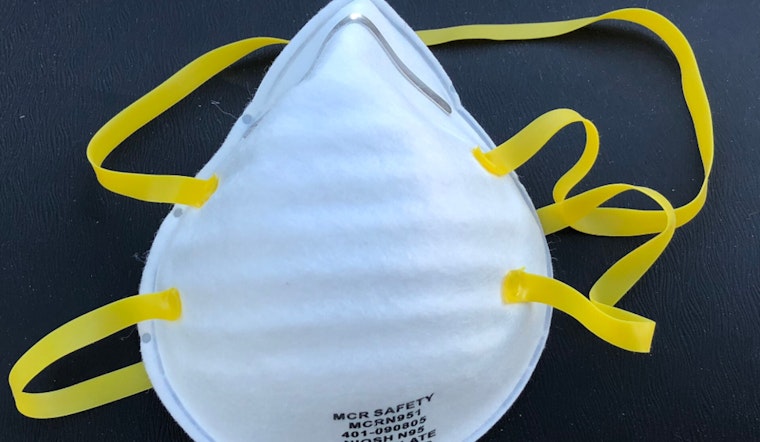
The U.S. Forest Service is reversing long-standing practice by encouraging federal wildland firefighters to use N95 respirators on large fires and by rolling out new decontamination, training and pay policies. Under the updated guidance, qualified personnel can voluntarily wear N95s on the line once they complete required training, and crews will be paid for time spent showering, laundering clothing and cleaning vehicles after their shift. The shift comes during one of the busiest fire years on record, alongside growing scientific evidence that repeated wildfire smoke exposure is tied to cancer and heart disease risks.
What the agency announced
In guidance released this week, the Forest Service said fire managers and firefighters who choose to wear N95s must participate in a training program, and the agency will supply the respirators. Officials stopped short of requiring masks for the most physically demanding "arduous" work, where heat stress and breathing resistance are serious concerns. The update also launches a national decontamination program and specifies that time spent washing clothing, cleaning vehicles and showering after incidents will now be compensable. These details were reported by NBC News.
Why the change
Officials and health experts have been pressing for stronger protections as reporting and research pile up showing that routine smoke exposure can carry long-term health costs. The National Interagency Fire Center reports that the 2026 fire year has already seen more than 34,000 fires burn roughly 2.7 million acres, according to the National Interagency Fire Center. Scientific reviews and cohort studies tying repeated wildfire smoke and firefighting work to higher rates of cancer and cardiovascular disease have helped fuel calls to better shield crews, as detailed in BMC Public Health.
What N95s Can and Cannot Do
N95 respirators can filter at least 95 percent of airborne particulates when they are properly fitted, but they do not protect against gases such as carbon monoxide, formaldehyde or other volatile chemicals that may be present near a fire. Employers that allow respirator use are required to follow federal respiratory-protection rules, including medical evaluations, fit testing and training for workers. Federal guidance underscores both the limits of disposable respirators and the need for full workplace programs to ensure they are used safely, according to the EPA and OSHA.
Firefighters and advocates react
Firefighters and advocacy groups largely welcomed the Forest Service’s change of course but say it still leaves some of the riskiest work without clear protection and does not fully resolve heat-stress concerns. "This policy change is long overdue, firefighters are at higher risk of cancer and heart disease," George Broyles told NBC News, while Steve Gutierrez said that access to masks, decontamination protocols and training are basic safeguards crews should already have. Union leaders and public-health advocates argue that the next steps should include stronger respirators where they are practical and clearer rules on when and how to use them during arduous assignments.
What is next for policy and safety
Turning the guidance into daily practice will require logistics, training and steady funding as agencies try to modernize the federal wildfire response. The Departments of the Interior and Agriculture have outlined a broader modernization plan aimed at updating equipment and health protections for federal firefighters, and incident-management groups are examining how to make decontamination time consistently compensable, according to the Department of the Interior and interagency meeting notes. How quickly N95s show up across busy firelines will hinge on fit-testing capacity, how fast training can be rolled out and managers’ on-the-ground calls about heat and overall safety.
For now, the change makes N95s and post-shift decontamination an official option for federal crews, a practical step backed by research but not a cure-all for wildfire smoke exposure. Agencies and lawmakers will be closely watched to see whether equipment, training and medical oversight keep pace with the policy, and the Forest Service’s recent personnel and health updates suggest it is framing these moves as part of a wider modernization push, according to the U.S. Forest Service.





