

























































World Cup fever just turned into a bargain hunt in Houston, as resale prices for Monday’s Brazil vs. Japan Round of 32 showdown suddenly plunged, handing local fans a rare last-minute shot at cheaper seats. Over the weekend the secondary market looked more like a roller coaster than a ticket list, with some offers still in the four-figure range while others briefly dipped into the high hundreds. For anyone who struck out in the official lottery or later sales, it was a blink-and-you-miss-it buying window.
According to TicketData, as cited by the Houston Chronicle, the match’s “get-in” resale price hit $980 as of 10 a.m. Sunday. That is roughly a 41% slide in just three days from the roughly $2,072 floor the prior Sunday, and a sharp reversal from the $659 level seen on May 28.
Tracking platforms have not always agreed on where the true floor sits. Earlier in the week, TicketData showed a different minimum price, closer to $1,900, underscoring how service fees, listing quirks and timing across marketplaces can send the apparent “cheapest” ticket swinging by hundreds or even thousands of dollars. In short, what you pay depends heavily on which platform you check and when you are willing to pull the trigger.
Other resale sites tell their own version of the story. World Cup tracking pages from SeatGeek have at times put Houston’s get-in price in the low four figures, while broker and aggregator pages show a wide spread across sections and rows. That kind of volatility can reward patient bargain hunters, but it can also punish anyone who dives in without confirming a verified transfer or reading the fine print.
Teams and the stakes
On the field, Brazil arrives in Houston unbeaten after two wins and a draw, with Vinícius Júnior among the tournament’s leading scorers. Japan also advanced without a loss, powered in part by goals from Ayase Ueda and Daichi Kamada. Those storylines helped fuel early demand and then reshaped the resale market as fans recalibrated travel plans and kickoff logistics. Recent match coverage from ABC News and the AP charts how both sides got here.
What Houston’s crowds look like
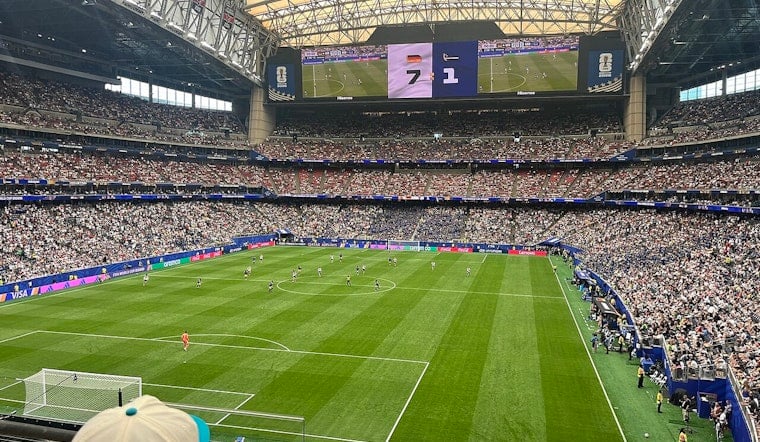
Turnstile counts for World Cup matches in Houston have landed in the high 60,000s, and local reporting notes the first five games at the venue have all drawn at least about 68,000 fans. In practice that means a near-sellout atmosphere is standard for headline fixtures. That kind of crowd density helps explain why resale floors briefly spiked, and why both face-value and secondary-market inventory can disappear in a hurry. Match reports and local coverage, including from Sky Sports and the Houston Chronicle, document those turnout figures.
Where to buy safely
The safest route for fans is the federation’s official resale channel. FIFA’s Resale/Exchange Marketplace is the authorized fan-to-fan platform for World Cup 2026 tickets, and buying outside verified channels carries real cancellation and fraud risks. Consumer-protection reporting and local outlets have repeatedly warned against social media sales and sketchy broker sites while the tournament is underway, advising buyers to confirm every transfer through the official app before sending money. For the fine print, see guidance from FIFA and practical warnings from the Miami Herald.
The bottom line for Houston fans is that prices can still wobble in the final 48 hours. Compare the official resale marketplace against major verified secondary sites, build in travel time for a midday kickoff and have a backup plan for transit or the Fan Festival if you are heading downtown without a seat. For details on local routing and the fan-walk scene, check out twin fan walks set to swamp the Med Center alongside the city’s event guides.





